Early-Career Support
Early-career researcher support is a central component of the DFG Research Unit. It combines individual career development with intensive scholarly exchange and interdisciplinary networking.
Doctoral researchers and postdoctoral fellows are closely involved in the Unit’s research activities, pursue their own projects, and contribute to publications, conferences, and tasks in research and project management. A structured training programme includes both interdisciplinary and subject-specific courses, as well as opportunities to independently organize workshops and guest researcher visits.
André Raatzsch

André Raatzsch is a PhD candidate in Art History at Philipps University Marburg and a research associate in the sub-project 1. PhD project:“Reparative Pictorial Narration and Image Critique: A Decolonial Perspective on the Representation of Roma in European Art History” (working title).
For Further information university website
Biography
Dr. Mohammad Fazleh Elahi

Dr. Mohammad Fazleh Elahi is a Postdoctoral researcher at Philipps University Marburg and research associate in Subproject 1 on the development of the digital research environment (multimodal database), in cooperation with Subprojects 2–6.
For Further information university website
Magdalena Watrin
Magdalena Watrin is a Doctoral candidate at the Institute of Romance Studies at Justus Liebig University Giessen and research associate in Subproject 2. PhD project: “Exclusion as a Staging Effect? Antiziganism and Spectacle in Popular Exhibition Media (1850–1950)” (working title).
Nele Feuring
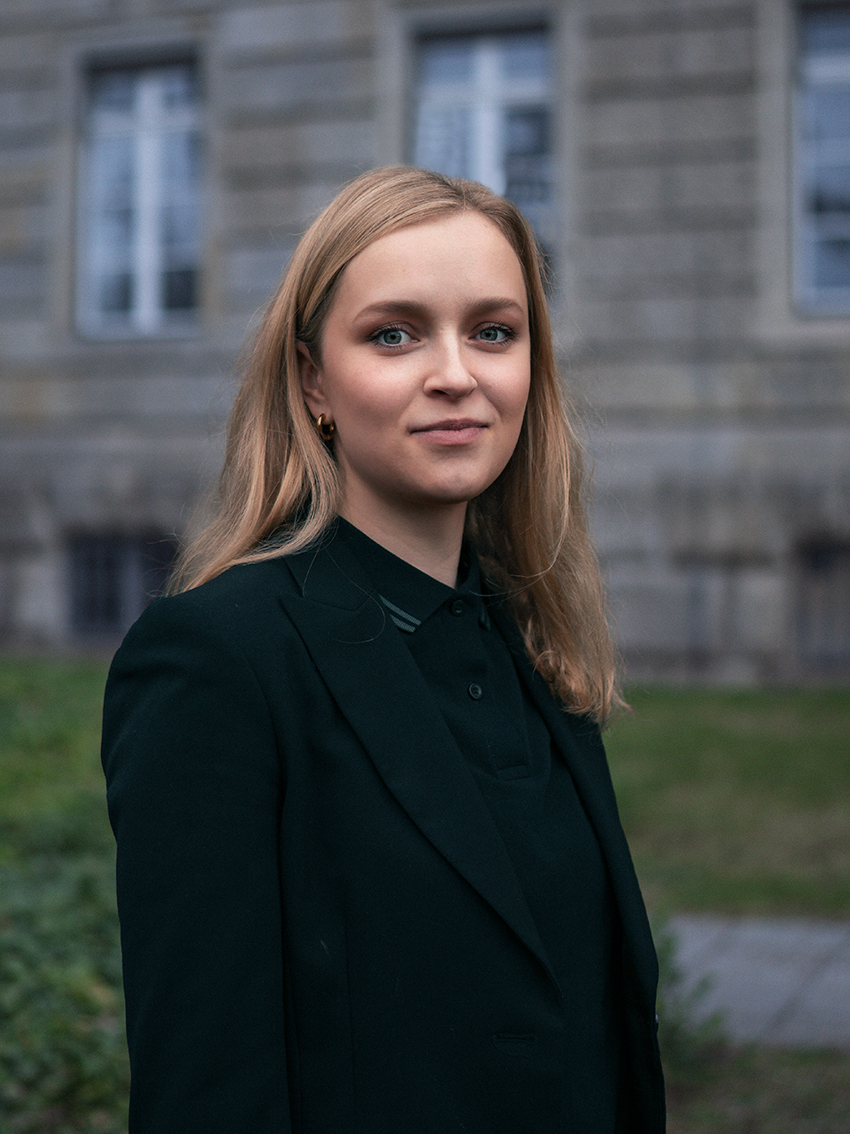
Nele Feuring is a Doctoral candidate at the Institute of German Studies at Europa-Universität Flensburg and research associate in Subproject 3. PhD project: “ Function of antiziganism in film” (working title).
For Further information university website
Tobias Haberkorn
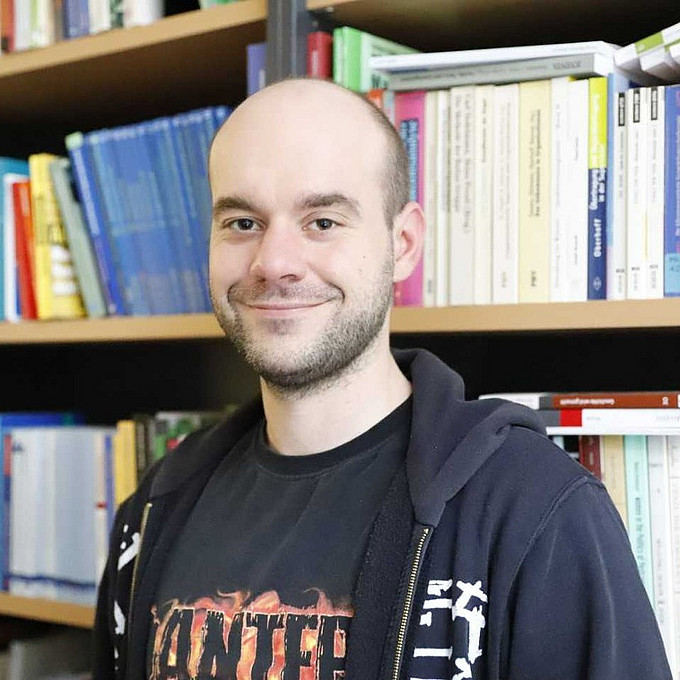
Tobias Haberkorn is a Doctoral candidate at the Department of History and Cultural Studies at Justus Liebig University Giessen and research associate in Subproject 4. Postdoctoral project:,,Heinrich vonWlislocki (1856¬1907).Probleme einer Wissenschaftsbiographie´´
For Further information university website
Cristina Pătrașcu
Cristina Pătrașcu is a Doctoral candidate at the Institute of German Studies at Europa-Universität Flensburg and research associate in Subproject 2. PhD project: “Roma journalism in Romania. From self-articulation to elimination” (working title).
For Further information university website
Dr. Verena Meier
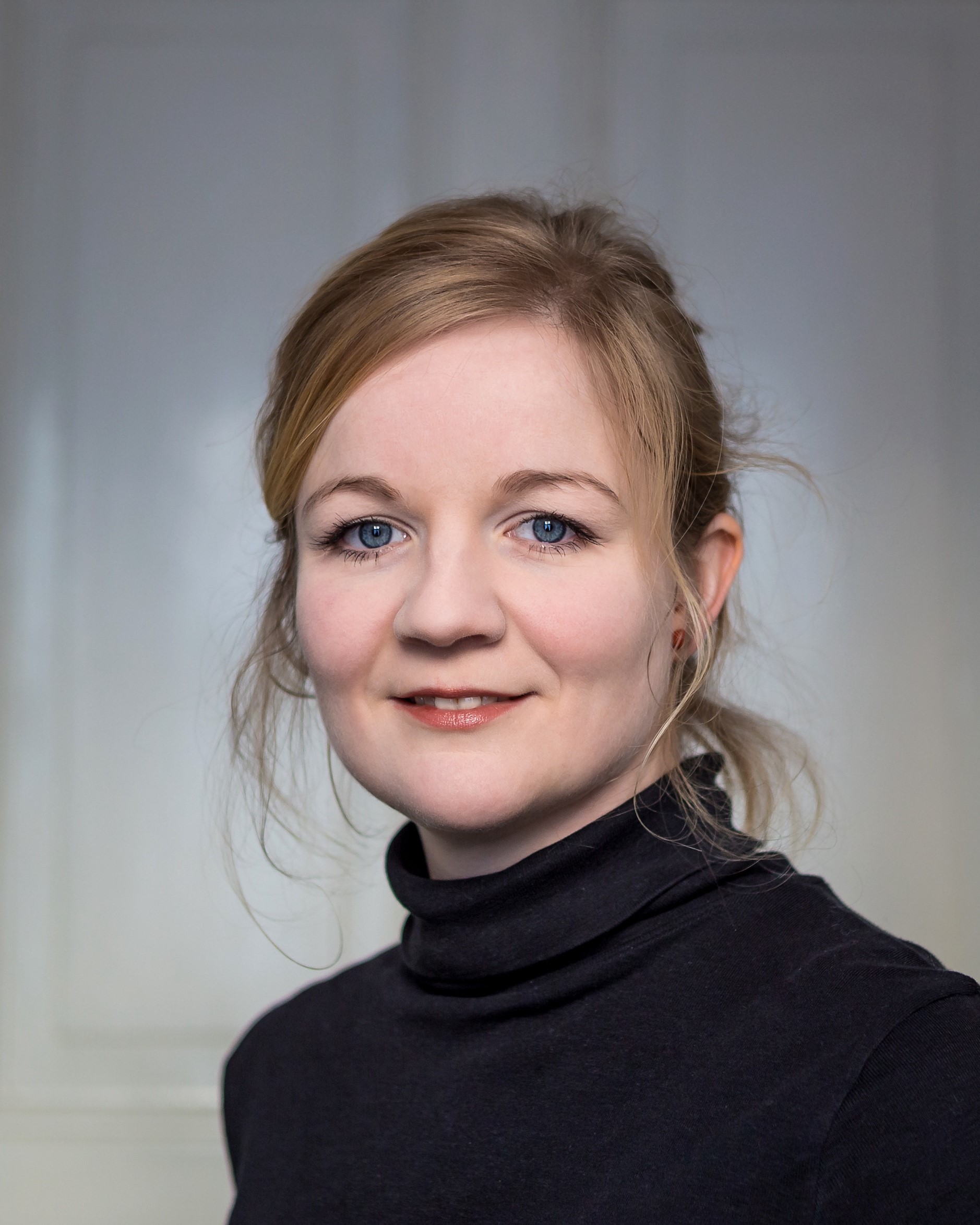
Dr. Verena Meier is a Research associate in Subproject 6 and postdoctoral researcher at the Research Centre on Antigypsyism in Heidelberg, with the postdoctoral project “Experts of Order and Measured Peoples: Fantasies of Society in European Modernity (1830–1950).” Dr Verena Meier examines the entanglements of antigypsyism, antisemitism, and colonial racism from the perspective of the history of knowledge, with a particular focus on criminology and medicine. Her research interests include the history of policing, intellectual history, gender studies, and the study of historical antisemitism and antigypsyism.
For Further information university website
Associated Researcher
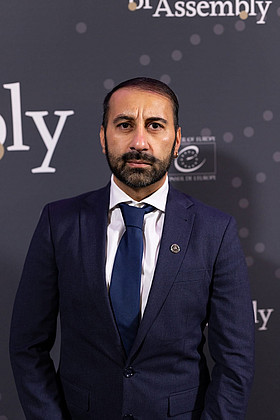
Dr. Dezso Mate is an associated researcher of the DFG Research Unit “Antiziganism and Ambivalence in Europe (1850–1950)”, a Research Fellow at the Interdisciplinary Centre for European Studies at Europa-Universität Flensburg, and a guest researcher at the Research Centre on Antigypsyism at Heidelberg University. He is working on his habilitation project on the history of the Gypsy Lore Society and anti-Gypsy knowledge, focusing on historical discourses, institutional knowledge production, and the role of key actors.
Dr. Dezso Mate plays a key advisory role within the Research Unit, providing his expertise in anti-Gypsy studies, the history of science, and critical Romani studies. In addition, he is developing an independent research proposal on “Gypsylorism and Reparative Romani Agency.”
He is deputy chair of the Barvalipe Academy at the European Roma Institute for Arts and Culture in Berlin and teaches as a guest lecturer at the Department for Critical Romani Studies at Södertörn University in Stockholm. Find further information below.