Pictorial narrative and visual staging of antiziganist motifs (1848-1930)
Summary
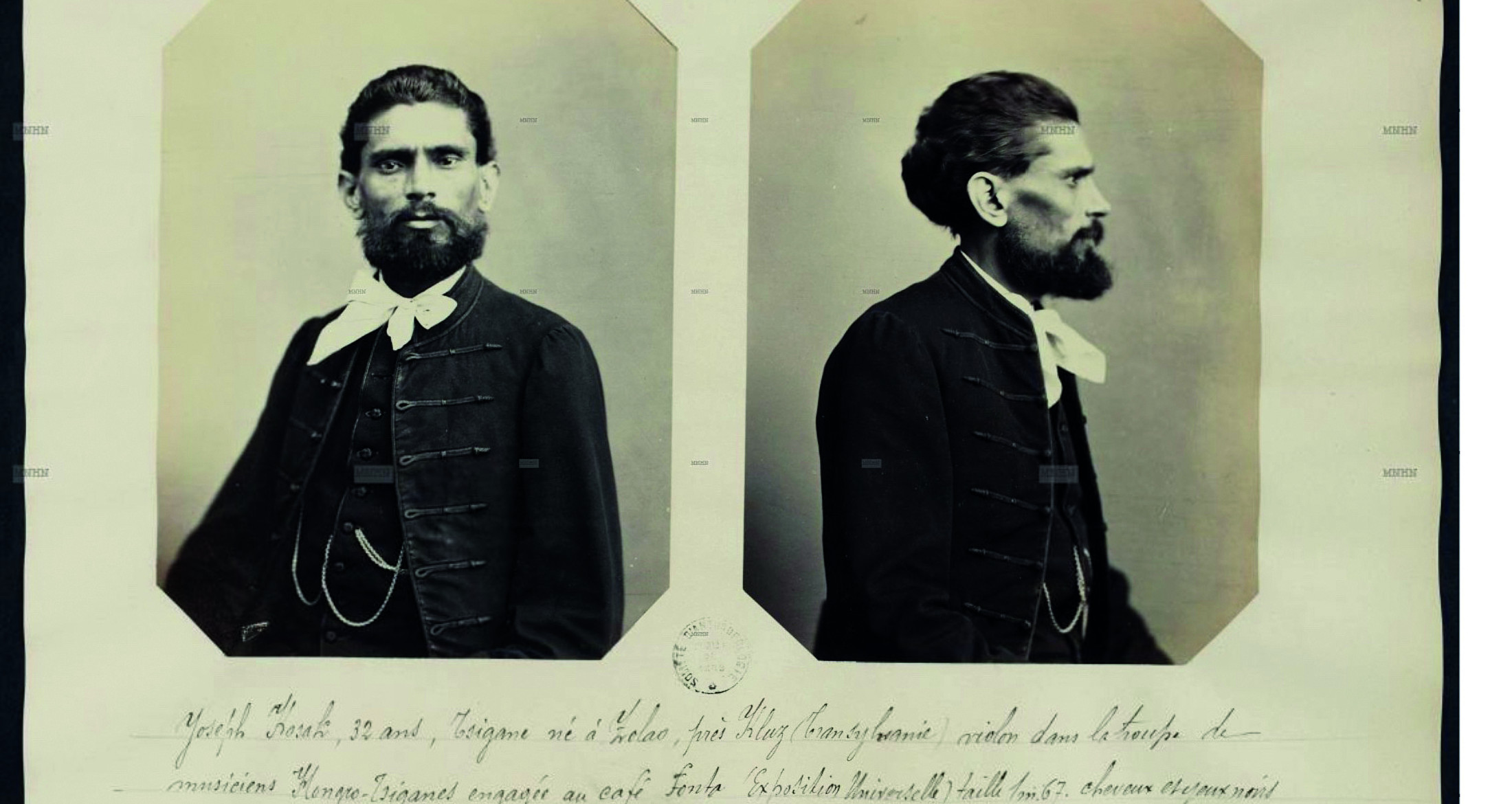
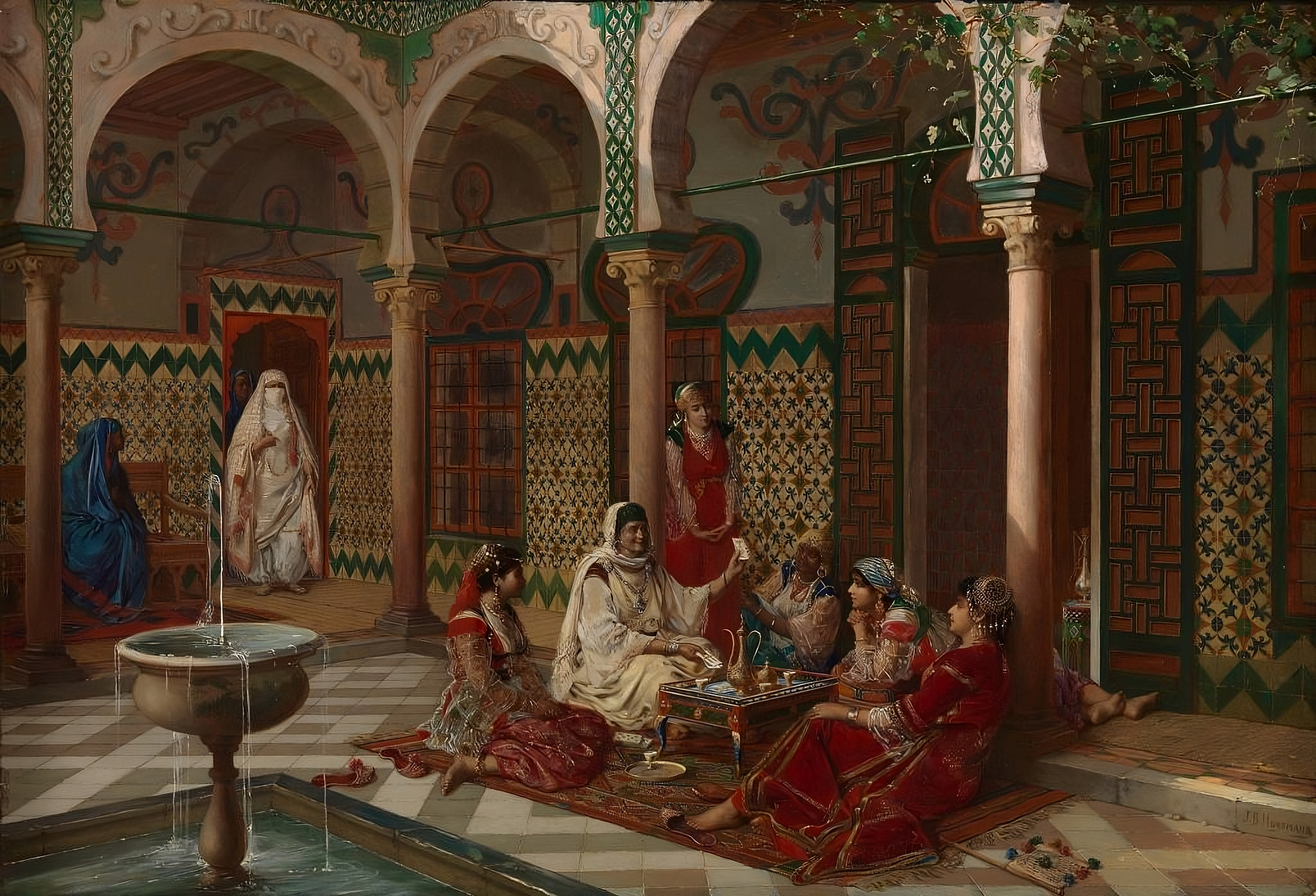
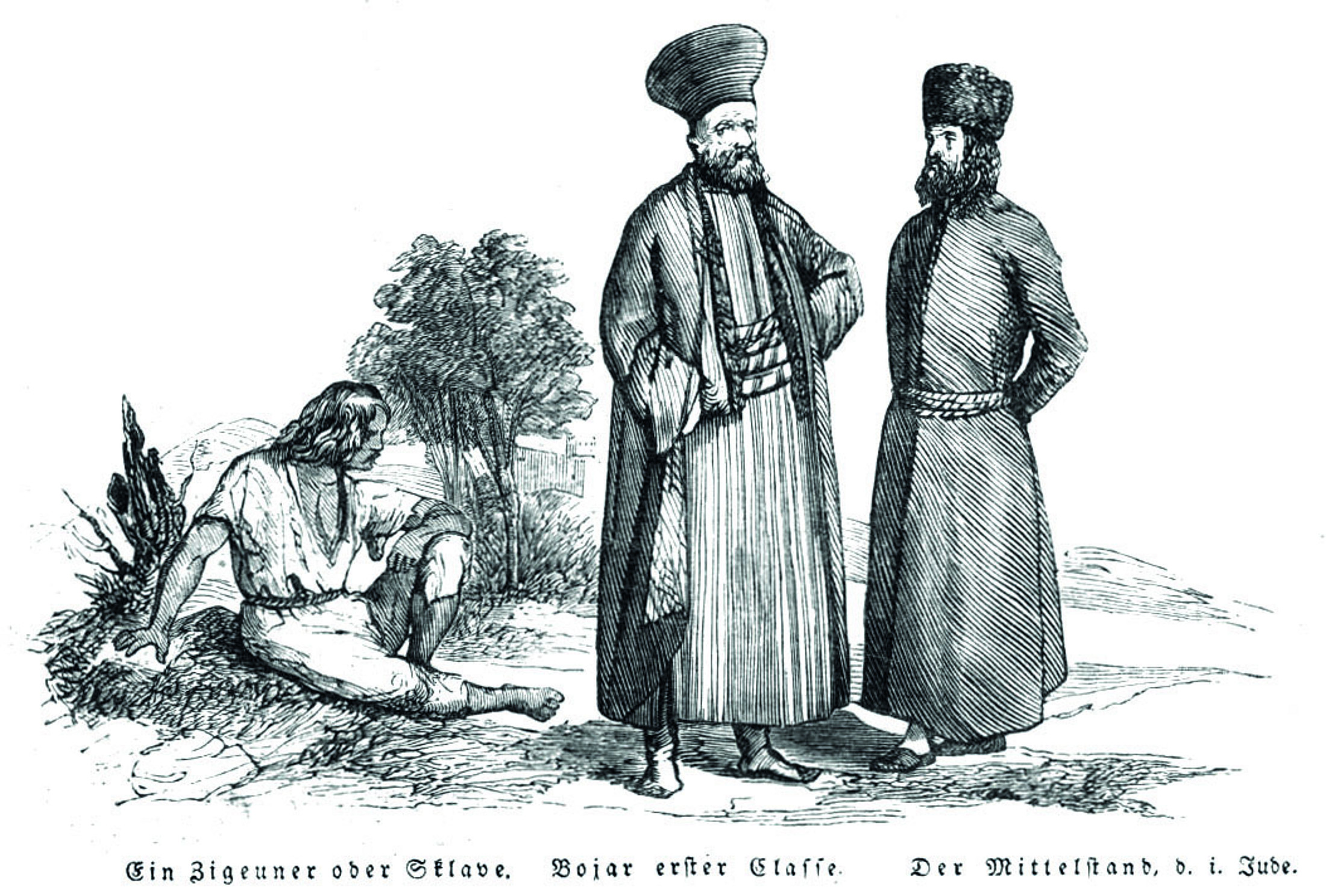
Subproject 1 uses art and visual-scientific methods to analyze the significance of modern antiziganist pictorial narratives. It examines the continuity and transformation of long-established stereotypical motifs or subjects as well as new pictorial inventions that emerge in the context of social and cultural change. The focus is also on transmedial translation processes, i.e. cross-genre transfers that reveal an interaction between motifs, reproduction techniques and social upheavals. Painting, printmaking and commercial art as well as photography from Western and Eastern Europe will be analyzed.
Research questions
1. How can an openly accessible research environment be set up that does not affirm stereotypes and reproduce critical sources?
2. How can affected communities be included in the development of the research environment?
3. Center versus periphery: How do the centers look at the peripheries, and how are the peripheries mapped? Conversely, how does the periphery look at the centers?
4. The modes of representation: type and person, or prop and object: To what extent can examples be found that reveal agency and self-determined representation?
Cooperations
In general, the connection between visual staging (SP 1, SP 3) and textual description of others and self (SP 2, SP 4, SP 5, SP 6) must be worked out. There are clear intersections between pictorial narrative and scenography (SP3) and between iconographic tradition and popular spectacle (SP 2). For the reception, transformation and popularization of antiziganist figures, e.g. as advertising media at international world exhibitions or as protagonists in early films, SP 1 will work closely with SP 2 and SP 3.
In addition, there is close cooperation with SP 6 and SP 4 to clarify the influence of anthropological-evolutionary ‘racial ideology’ on Expressionist artists against a colonial horizon. The modes of representation, type and person are also analyzed with regard to the new narratives of personal careers and intercultural contacts, so that there are great synergy effects between SP 1 and SP 5 with regard to agency and (political) self-representation.
SP 1 contributes to the co-operation of all subprojects by setting up the virtual research environment.
Conferences
Workshop: ‘Research data and knowledge systems’ in Marburg
Conference 3: ‘Transmedial image narrative and stereotype’ in Flensburg, together with SP 3
Research areas
Core research area: Germany and France
Additional areas: Austria, Czech Republic, Hungary, Poland, England, Spain
Aims
1. Basic research: Antiziganist motifs from high and popular culture will be indexed, cataloged and evaluated in their structural entirety for the first time in order to ensure coherent individual art-historical analyses on this basis.
2. Provision of a digital research environment (multimodal database) that enables the mapping and evaluation of antiziganist images from paintings to pictorial advertising and ensures a systematic link with the materials and discourses of the neighboring disciplines involved (cooperation with SP 2-6).
3. Redefining the constitutive significance of the ambivalence of Zigeuner figures and narratives for modernism. Within art history, the interrelationships between the individual pictorial genres will be demonstrated. Not only will the transmission and translation of pictorial narratives in general be examined, but also specific aspects such as nostalgia versus belief in progress, center versus periphery and modes of representation: type versus person.
Selected results
- Monograph on ‘Counter Archive. Research data management with stigmatizing multimodal data’
- Dissertation: ‘In the picture. Antiziganism and visuality’
- Virtual research environment for all sub-projects
Prof. Dr. Peter Bell

Philipps-Universität Marburg
Prof. Dr. Peter Bell is a Professor of Art History and Digital Humanities at the Department of Art History at Philipps University Marburg. His research focuses on visual culture, particularly the analysis of visual representations of social groups and difference from the Middle Ages to the present, the study of visual stereotypes, and the integration of art historical questions with digital methods.
For Further Information university website
Prof. Dr. Melanie Ulz

Universität Duisburg-Essen
Prof. Dr. Melanie Ulz is an Interim Professor of Modern and Contemporary Art History / Art Studies at the University of Duisburg-Essen. Her research focuses on trans-cultural art history from the 18th to the 21st century, as well as on postcolonial and gender studies, particularly the analysis of visual representations of migration, difference, and alterity. Her research interests range from historical battle painting and visual antiziganism in modernity to contemporary forms of institutional critique in art.
For Further Information university website
André Raatzsch

André Raatzsch is a PhD candidate in Art History at Philipps University Marburg and a research associate in the sub-project 1. PhD project:“Reparative Pictorial Narration and Image Critique: A Decolonial Perspective on the Representation of Roma in European Art History” (working title).
For Further information university website
Biography
Dr. Mohammad Fazleh Elahi

Dr. Mohammad Fazleh Elahi is a Postdoctoral researcher at Philipps University Marburg and research associate in Subproject 1 on the development of the digital research environment (multimodal database), in cooperation with Subprojects 2–6.
For Further information university website