Transformations of the police antiziganist discourse: from the ‘racial’ paradigm to genocidal practice (1850-1950)

Summary
- The subproject aims to provide fundamental new insights into the transformation process from a primarily sociographical understanding of
Zigeunerto a ‘racial-biological’ concept between 1850 and 1950 and to work out the entanglements of antiziganism, antisemitism and colonial racism. - For the first time, the transnational network of discourse and correspondence that produced knowledge about Sinti and Roma will be presented in its genesis, which was characterized by diverse interdependencies. A special focus will be placed on criminology and medicine; gender-historical approaches will also be taken into account.
- The project will provide information about the agency of members of the minority and reveal forms of their self-assertion — a perspective that has so far received little attention in historical antiziganism research.
Research questions
1. What role did science play in the racist production of knowledge about Sinti and Roma? To what extent can link to other strands of discourse such as popular culture be identified? What were the consequences of the practice of state persecution?
2. How did the transnational transfer of knowledge, people and practices take place? What was its significance to the Nazi genocide of Sinti and Roma Europe?
3. What reciprocal relationships between the majority of society's conceptions of itself, antiziganism and other Othering discourses (anti-Semitism, colonial racism) can be empirically established? To what extent did representations of others have an impact on self-articulation?
Cooperations
With other projects: The subject-specific discourse and the associated practice of state persecution will be localized in contrast to other discourse strands (ethnology, popular culture/visual culture, literature) and mutual influences will be examined. Self-articulations of those affected by discriminatory external representations and practices will be examined. In this way, references to "Zigeunerkunde" (SP 4) and to the Secret Service surveillance of political Roma activities (SP 5) can be established and tensions between emancipation efforts in interwar journalism (SP 5) and the arts (SP 1, SP 2, SP 3) can be analyzed.
With other institutions: Documentation and Cultural Centre of German Sinti and Roma, Fritz Bauer Institute, Central European University (Department of History, Department of Gender Studies), Vienna Wiesenthal Institute for Holocaust Studies, German Historical Institute Washington
Conference 2: ‘Self-articulation and European Persecution History’ in Heidelberg, organized by SP 5 (Patrut) and SP 6 (Penter/Reuter) in cooperation with the Mercator Fellow (Bogdal).
Research areas
Core research area: German Reich
Additional area: Austria, Alsace, Protectorate of Bohemia and Moravia
Aims
AIM 1 — Archival inventory and analysis of the scientific discourse (especially criminology and eugenics) as well as the official measures directed against Zigeuner in differentiation and interrelation with other Othering discourses (antisemitism, colonial racism).
AIM 2 — To reconstruct the definition of Zigeuner the Nazi state and the resulting practices of exclusion, selection and deportation in the German Reich and its border regions.
AIM 3 — Determining the socio-economic situation of Sinti and Roma beyond the stereotypes.
Picture sources:
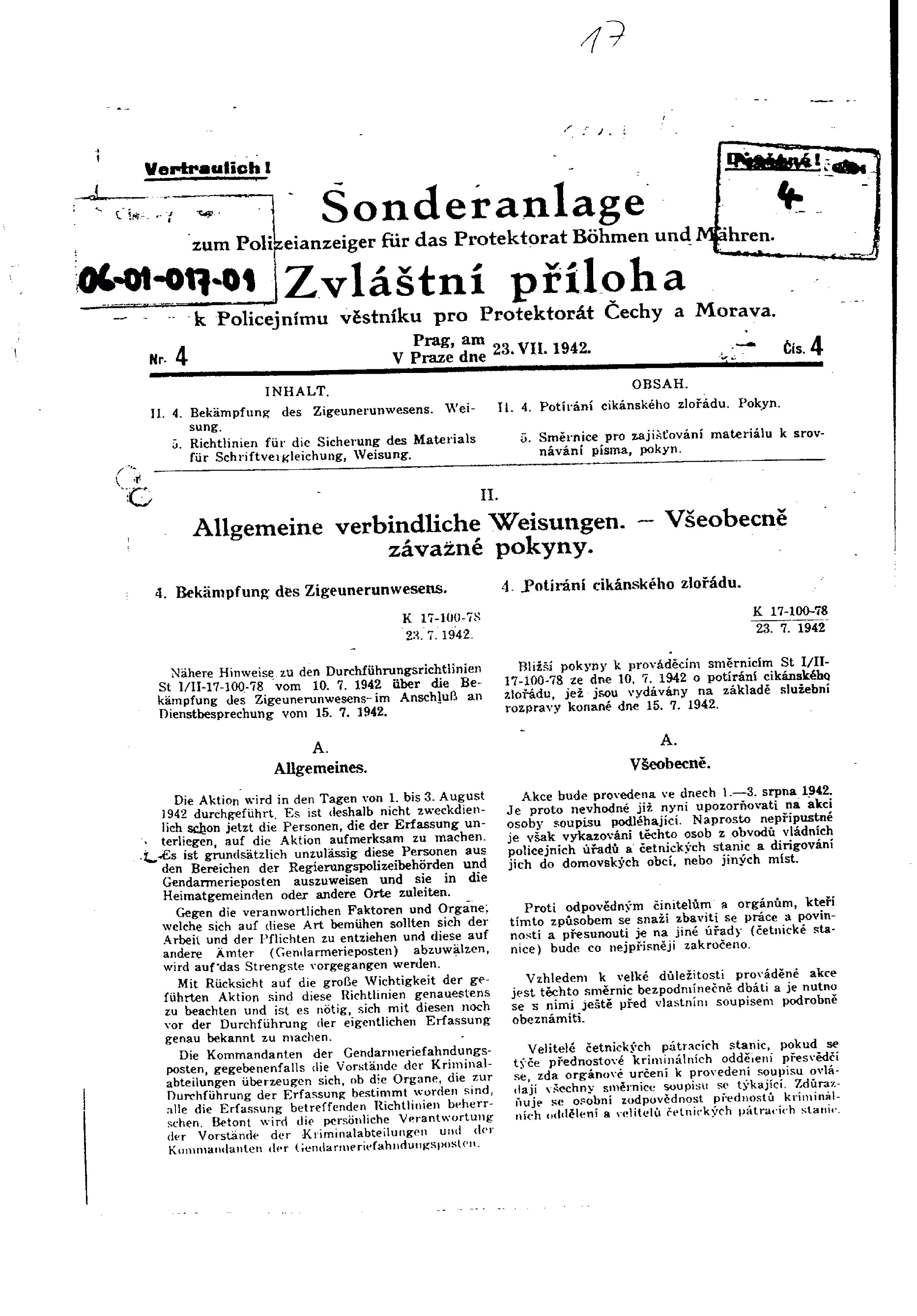
Image 1: https://www.sintiundroma.org/de/set/021220/?id=144&z=17 (Moravský zemský archiv, Brno)
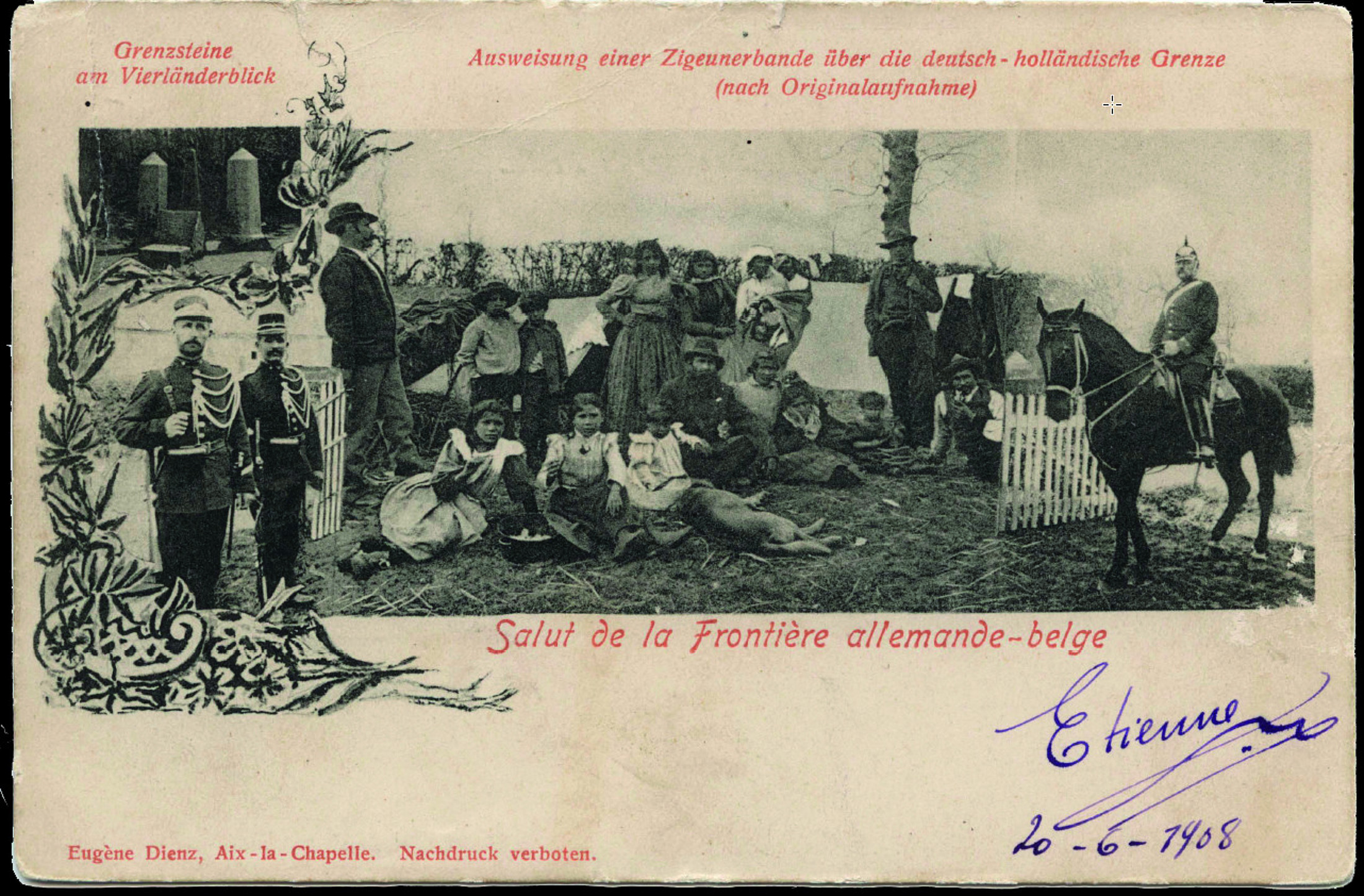
Image 2: https://www.sintiundroma.org/de/set/010229/?id=23&z=4 (Documentation and Cultural Centre of German Sinti and Roma, Heidelberg)
Image 3: https://www.sintiundroma.org/de/set/020401/?id=120&z=1 (Federal Archives, Image R 165 Image-244-64)
Prof. Dr. Tanja Penter

University of Heidelberg
Prof. Dr. Tanja Penter is Professor of Eastern European History at the Department of History at Heidelberg University. Her research focuses on the social and contemporary history of Eastern Europe, with particular emphasis on the history of violence, dictatorship studies, and minority studies.
For Further information university website
Dr. Frank Reuter

University of Heidelberg - Antiziganism Research Centre
Dr. Frank Reuter is the Managing Director of the Research Center on Antigypsyism at Heidelberg University. Prior to this, he worked for nearly 25 years as a historian at the Documentation and Cultural Centre of German Sinti and Roma. His research focuses on the history of antigypsyism, particularly the persecution of Sintiand Roma, on memory culture and historical-political education, as well as on historical image and stereotype research.
For Further information university website
Verena Meier

Verena Meier is a Research associate in Subproject 6 and postdoctoral researcher at the Research Centre on Antigypsyism in Heidelberg, with the postdoctoral project “Experts of Order and Measured Peoples: Fantasies of Society in European Modernity (1830–1950).”Verena Meier examines the entanglements of antigypsyism, antisemitism, and colonial racism from the perspective of the history of knowledge, with a particular focus on criminology and medicine. Her research interests include the history of policing, intellectual history, gender studies, and the study of historical antisemitism and antigypsyism.
For Further information university website