Roma journalism in the interwar period (1918-1939
Summary
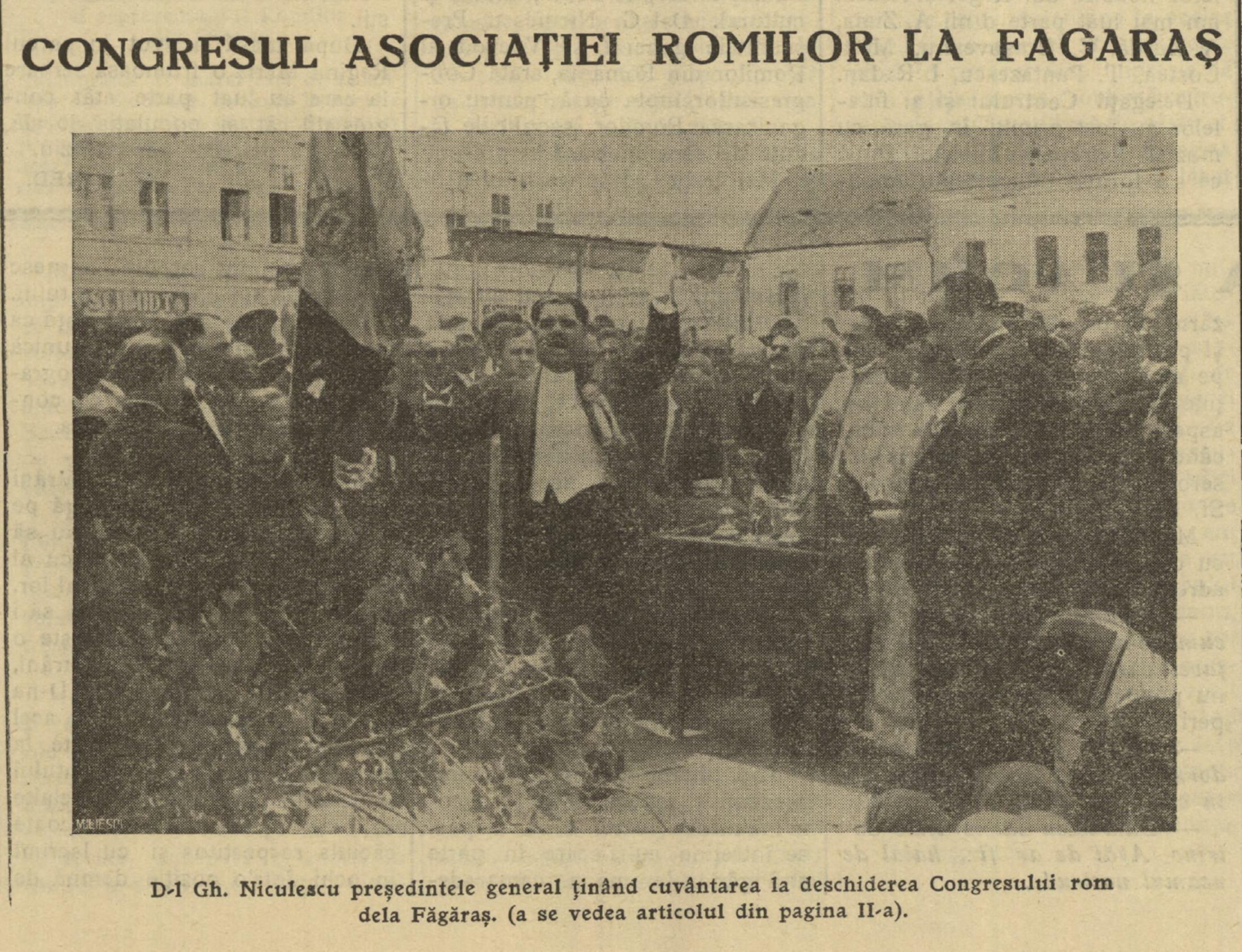
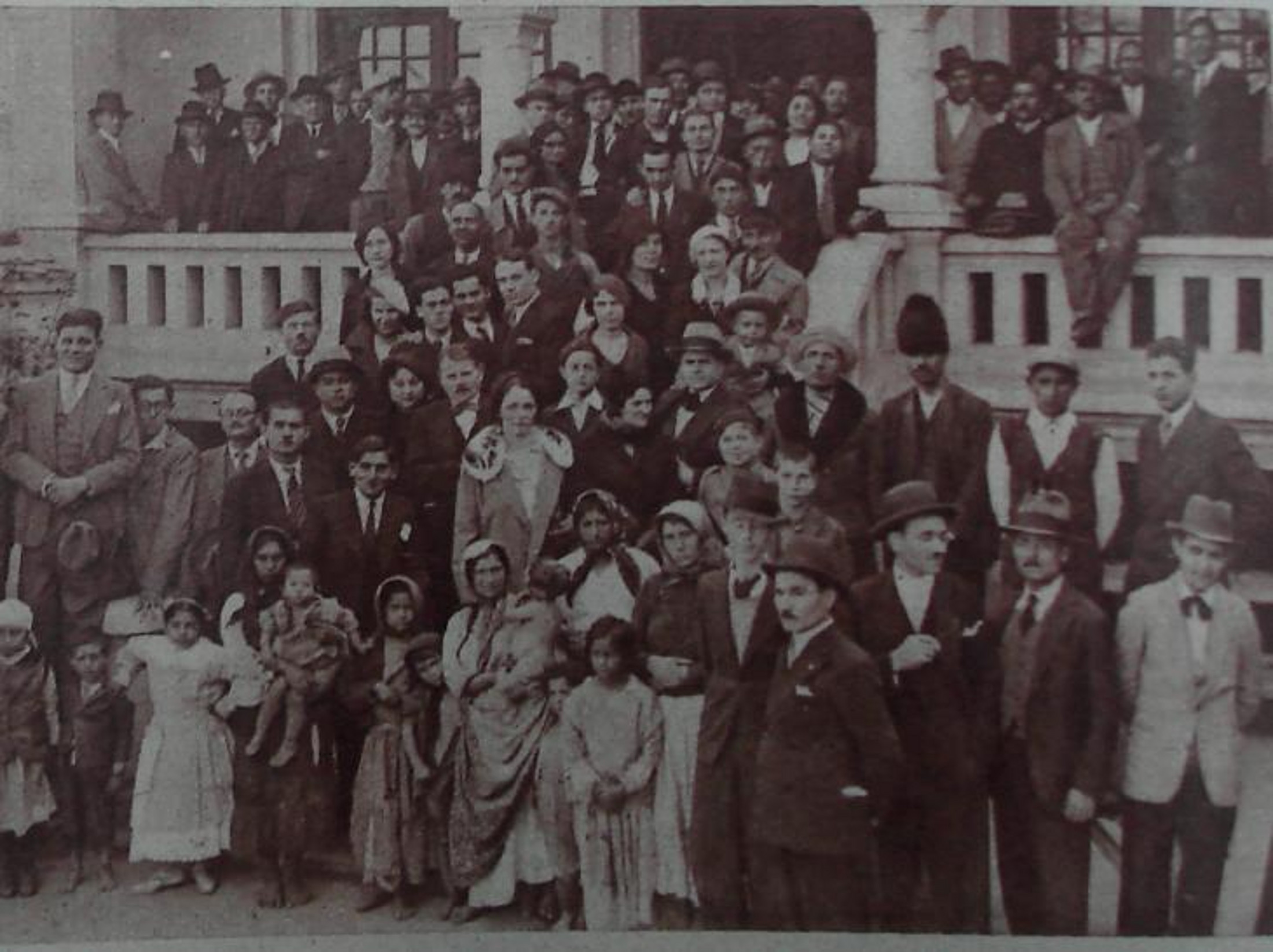
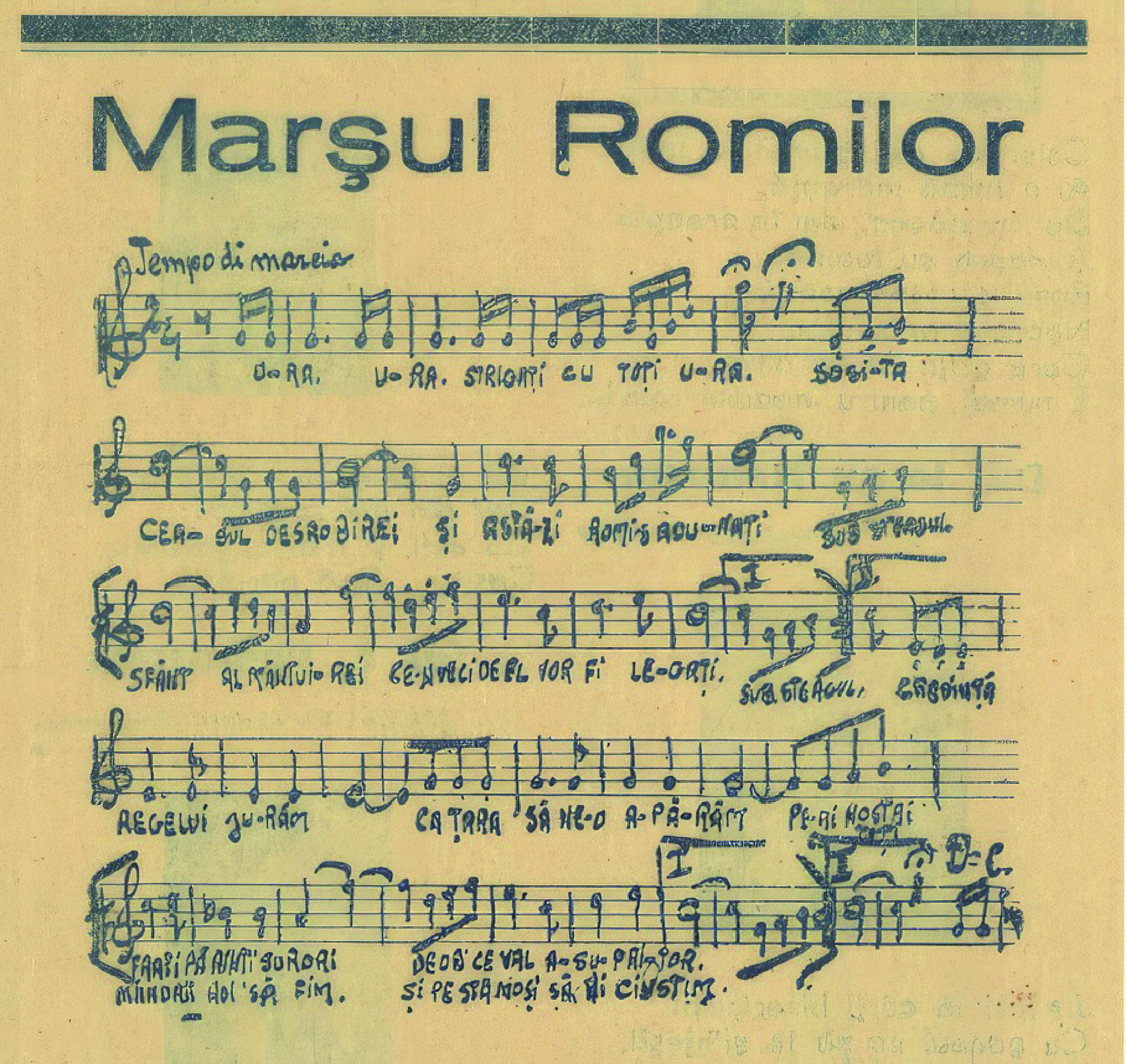
Subproject 5 examines publications by Roma in the interwar period and determines their significance for the tense relationship between (artistic and journalistic) self-development and (state and academic) repression in the European context. Journalism and journalism, political programming papers and protocols of meetings of Roma organizations in multilingual Romania from 1918 to 1939 are to be evaluated from the point of view of self-articulation as a minority and in the field of tension with state surveillance.
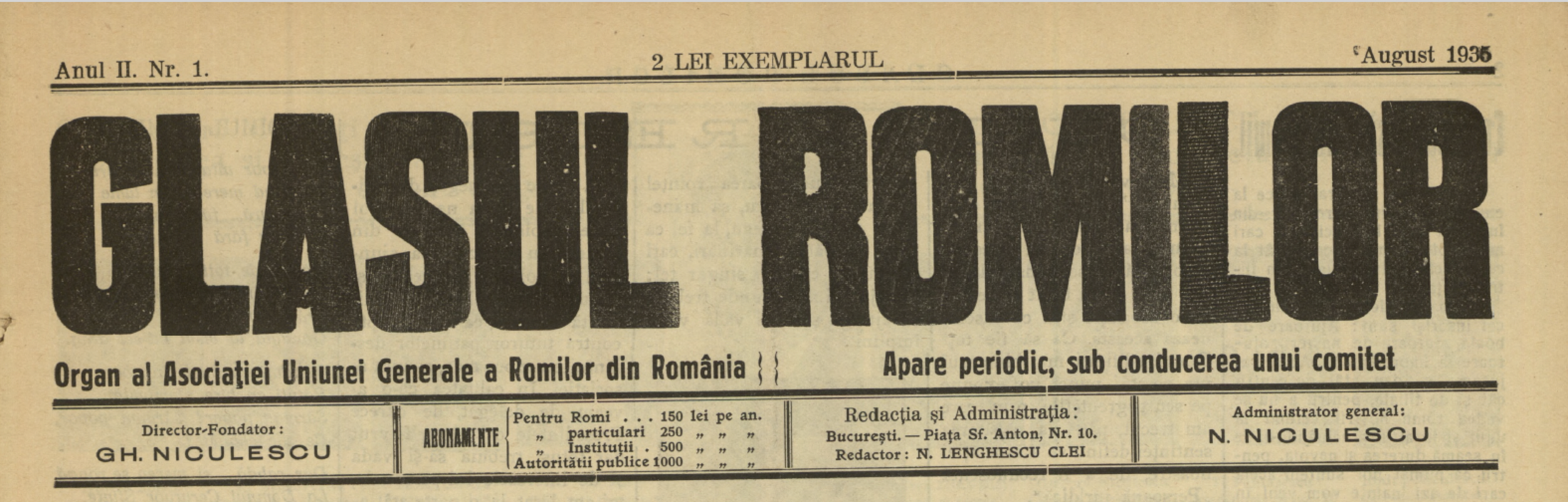
Important newspapers and magazines analyzed are: Timpul (The Time), Craiova; O Rom (The Roma), Craiova; Foaia Po-porului Romesc (The Gazette of the Roma People), Rupea; Neamul Țigănesc (The People of Țigani), Făgăraș; Glasul Romilor (The Voice of the Roma); Ţara Noastră (Our Country), both in Bucharest.
Research questions
1. How is the claim to social participation justified in Roma journalism? What positions are taken in European debates, and how is the intellectual discourse adapted?
2. To what extent and by what means do self-articulations succeed in counteracting the exclusionary effects of representations of others? What indications are there of broader social reactions?
3. How do the self-articulations of Roma position themselves in relation to anti-Semitism and colonial racism? To what extent are there similarities (e.g. patterns of exclusion) and to what extent are there contrasts with Jews or colonized people / Native Americans / First Nations?
Cooperations
With other projects:
- The conference ‘Self-articulation and the history of European persecution’ is organized jointly with SP 6. This conference is being prepared and organized in close cooperation with Mercator Fellow Klaus-Michael Bogdal.
- Since subproject 4 is complementary to subproject 5 in its investigation of external representations of Roma in Romania, the collaboration with subproject 5 is particularly informative with regard to the tension between self-articulation and external representation.
- In cooperation with SP 4, the field of tension between self-articulation and external representation is being investigated.
With other institutions: University of Bucharest, Elie Wiesel Institute Bucharest
Conference 2: ‘Self-articulation and European persecution history’ SP 5 (Patrut) and SP 6 (Penter/Reuter)
Research areas
Core research area: Romania
Additional areas: Parts of the Balkans, Russia, Ukraine and Hungary
Aims
- AIM 1: Clarify the extent and significance of self-articulation and political self-representation in the European context
- AIM 2: Determine the extent and forms of resistance to eliminatory tendencies in Europe
- AIM 3: Map Roma literature and art with a view to emancipation / agency
Selected results
- Dissertation: ‘Roma journalism in Romania. From self-articulation to elimination’
- Monograph: ‘Publications by Roma in the context of European journalism in the interwar period’, Patrut
- Coordination of the synthesis publications and conceptual contribution to the multimodal database
Subproject leader
Europa-Universität Flensburg
Prof. Dr. Iulia-Karin Patrut is spokesperson of the DFG Research Unit “Antiziganism and Ambivalence in Europe (1850–1950)” and Professor of Modern German Literature and Comparative Literature at Europa-Universität Flensburg. Her research focuses on literature from the 18th to the 21st century, with particular emphasis on the analysis of difference, migration, multilingualism, and processes of cultural translation, as well as on the study of boundary figures in relation to nation, belonging, and otherness.

Prof. Dr.Iulia-Karin Patrut
- Phone
- +49 461 805 2204
- iulia-karin.patrut-PleaseRemoveIncludingDashes-@uni-flensburg.de
- Building
- Gebäude Oslo
- Room
- OSL 134
- Street
- Auf dem Campus 1
- Post code / City
- 24943 Flensburg
Cristina Pătrașcu

Cristina Pătrașcu is a Doctoral candidate at the Institute of German Studies at Europa-Universität Flensburg and research associate in Subproject 2. PhD project: “Roma journalism in Romania. From self-articulation to elimination” (working title).
For Further information university website