Spectacle, curiosity, subalternity - discursive negotiations of identity and alterity in the context of popular knowledge media (1850-1950)
Summary
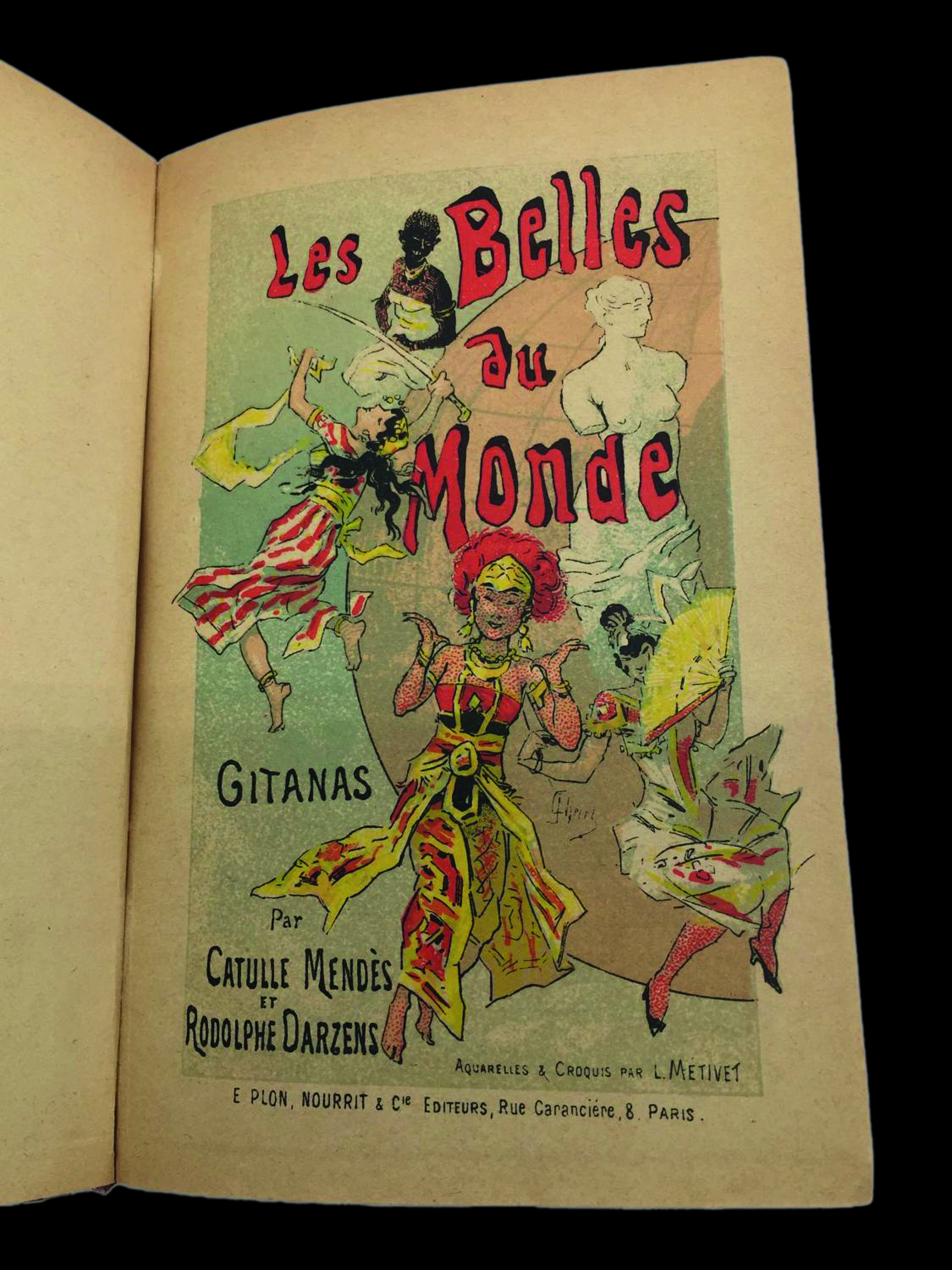
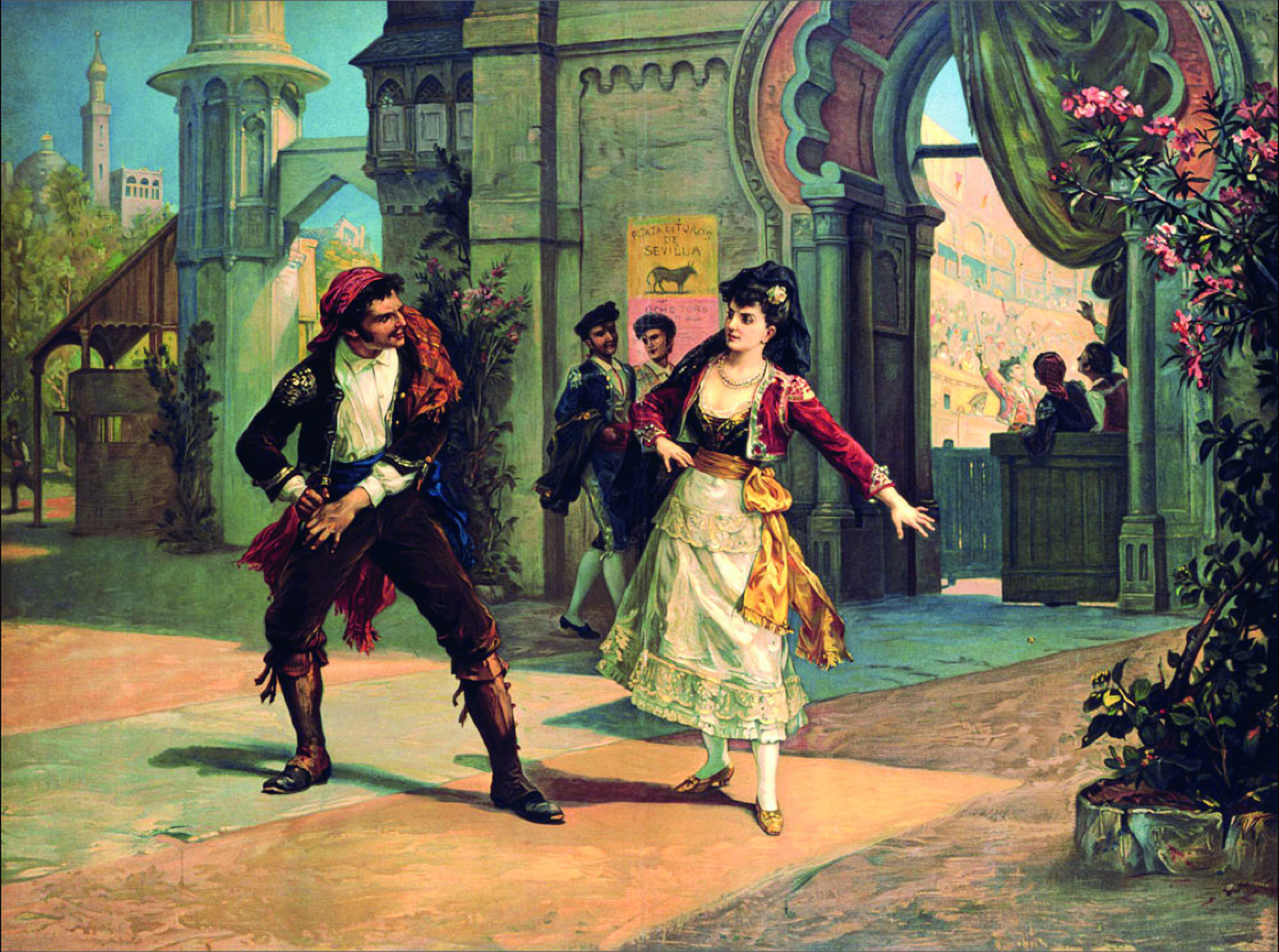
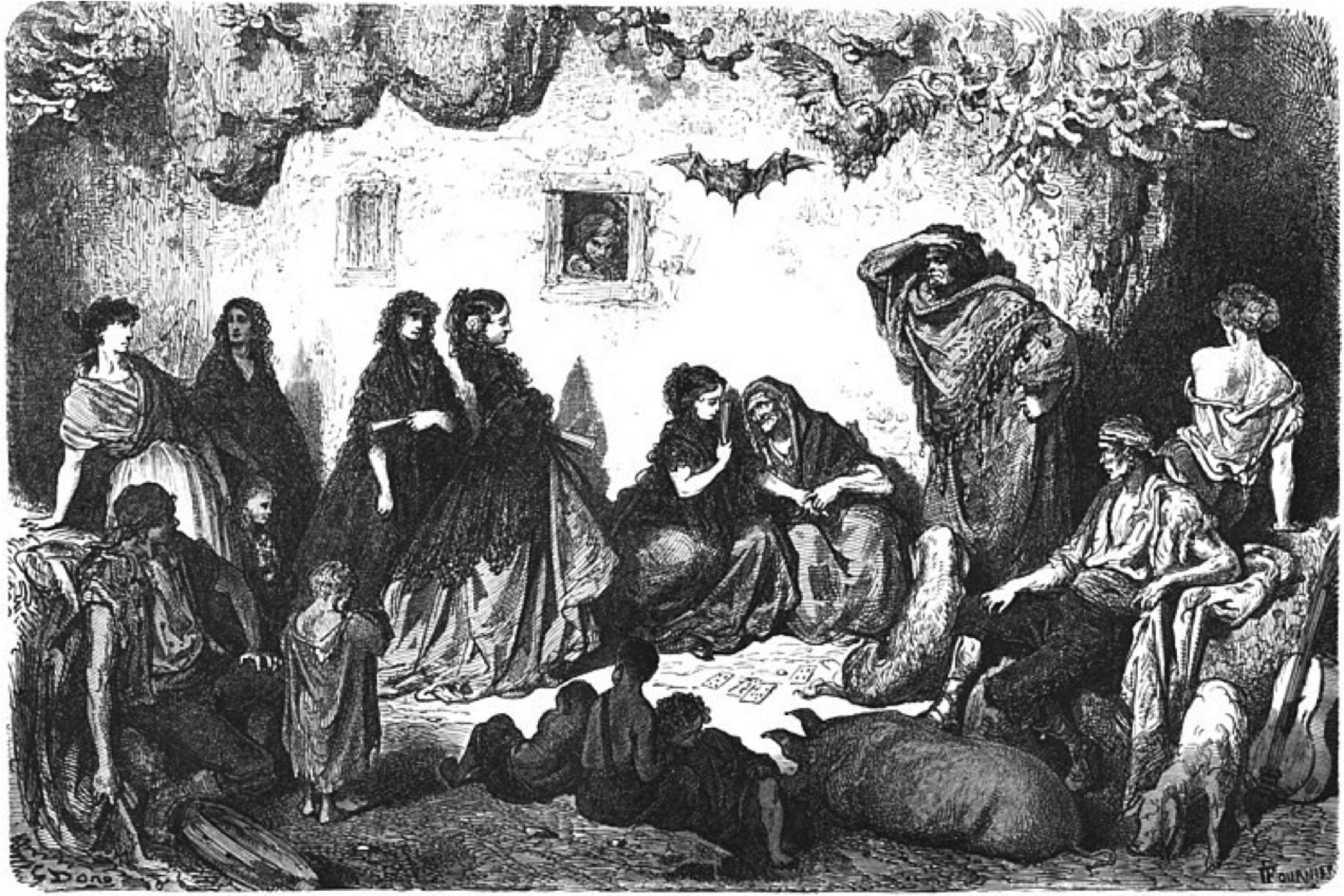
1. The subproject examines the special role of Zigeuner figures and representations in travel and adventure novels as well as in popular performance media such as opera, popular theater and world exhibitions in France between 1850 and 1950, focusing on the intermedial interactions between the media.
2. Secondly, the project explores how these forms of representation are presented as knowledge formats that establish Zigeuner figures as the ‘Other’ of modernity, focusing in particular on the spectacular as a central mode of representation of popular knowledge transfer.
3. Thirdly, special attention is paid to the ambivalences and paradoxes of the spectacular stagings of alterity, which, in addition to the codification of subalternity in recourse to heterostereotypes, also exhibit a potential for subversion that offers those described from the outside options for self-presentation through rewriting and reappropriation.
Research questions
1. Which metamorphoses and transformations do the representations of Zigeunerfigures undergo in the media analyzed, which have hardly or not at all been examined with regard to Zigeuner representations to date?
2. What is the relationship between the staging of alterity, the figuration/circulation of knowledge and media reflexivity on the basis of a closer examination of the aesthetics of the spectacular and its significance for modernity?
3. What interfaces arise with the other subprojects that deal with the inclusion and exclusion effects of hetero-stereotypical representations in the arts and media or expository and journalistic texts? How can the ‘discovery/conquest’ of the foreign other and the scenography of its display be outlined? What functions do these assume in the general discourse of knowledge? What is the relationship between antiziganism and agency?
Cooperations
with other projects: The stagings dealt with in subproject 2 interact with the visual media analyzed in subprojects 1 and 3 (stereotype, spectacle, scenography, display). The concept of knowledge circulation and popular knowledge media will be explored in more detail in cooperation with subproject 4 with regard to knowledge genesis, narrativisation and circulation of this knowledge (emancipatory/defamatory potentials of representations of others). Interfaces with regard to self-empowerment through forms of self-presentation (agency) arise, in particular with subproject 5.
With other institutions: Together with Rom e.V. (Cologne), exhibitions on the interplay of external and self-representations of Sinti and Roma as well as readings/performances by writers/artists of the minority are planned.
Conferences
Conference 1´´Circulation of Knowledge and the Aesthetics of the Spectacular´´in Giessen, organized by subprojects 2 (von Hagen) and 4 (Bohn).
28.–29. January 2026 | Justus-Liebig-Universität Gießen (GCSC)

Online Workshops
Subproject 2 organizes international online workshops within the Research Unit, focusing on key questions related to the study of external and self-representations of Sinti and Roma in popular knowledge media between 1850 and 1950 in a European context (particularly France and Spain). The workshops place special emphasis on spectacular forms of knowledge production and their role in the construction of alterity, inclusion and exclusion, as well as on possibilities of self-empowerment.
The three online workshops address:
(1) literary external representations in adventure novels, travel literature, and press media (8–9 December 2025)
(2) forms of staging in exhibition and performance media such as opera, vaudeville, and world exhibitions (25–26 March 2026)
(3) early self-representations and processes of rewriting and reappropriation of stereotypes (23–24 November 2026)
These workshops bring together interdisciplinary perspectives on the aesthetics of the spectacular and the dynamics of cultural knowledge production, fostering international discussion.
For more information and program of workshops
Investigation areas
Core investigation area: France
Additional area: Spain
Aims
AIM 1 — to investigate the function of Gypsy figures as borderline and negotiating figures of European modernity.
AIM 2 — to discuss the question of the extent to which Gypsies and Roma are merely objects (keyword subalternity) or also subjects (keyword agency) of spectacular productions.
AIM 3 — to analyze the interaction between the media and discourses and the formative potential of media and epistemological processes more clearly than previous research.
Fields of work
Using literary, cultural and media studies methods, the subproject analyses spectacular Gypsy productions in literary texts (1), performance and exhibition media (theater, opera, world exhibitions) (2), locates them in the context of popular knowledge media and places them in the context of self-articulations of Sinti and Roma (3)
1. Examines literary texts such as adventure novels, novellas and travelogs as media and ‘vehicles’ of a world exploration that goes hand in hand with spectacular descriptions of ‘others’. It examines which stereotypes and topoi are used and circulate as popular knowledge within the majority of society.
2: is dedicated to Gypsy representations in exhibition and performance media. It examines how, in the context of popular forms of performance such as the opera/ette, féerie or vaudeville, constructions of alterity are staged multimodally as alternative knowledge formats and how the curiosity of the unknown, the unusual and the spectacular is catered for.
3: looks at written and performative self-articulations of Roma in their interrelationships with the representations of others examined in Fields I and II. It asks how Roma insert themselves into the knowledge circulating about them and into spectacular modes of representation and subject themselves to rewriting or re-appropriation.
Selected results
- Habilitation: ‘Exclusion as a staging effect? Spectacle and World Exhibitions’, NN
- Monograph: ‘Faszinosum und Tremendum: Zigeuner-Figuren in populären Genres’, von Hagen
Prof. Dr Kirsten von Hagen

Justus Liebig University Giessen
Prof. Dr. Kirsten von Hagen is Professor of French and Spanish Literary and Cultural Studies at Justus Liebig University Giessen. Her research focuses on the literary and cultural history of Europe, with particular emphasis on the analysis of constructions of otherness, stereotypes, and processes of cultural transfer.
For Further information university website