
Motivation
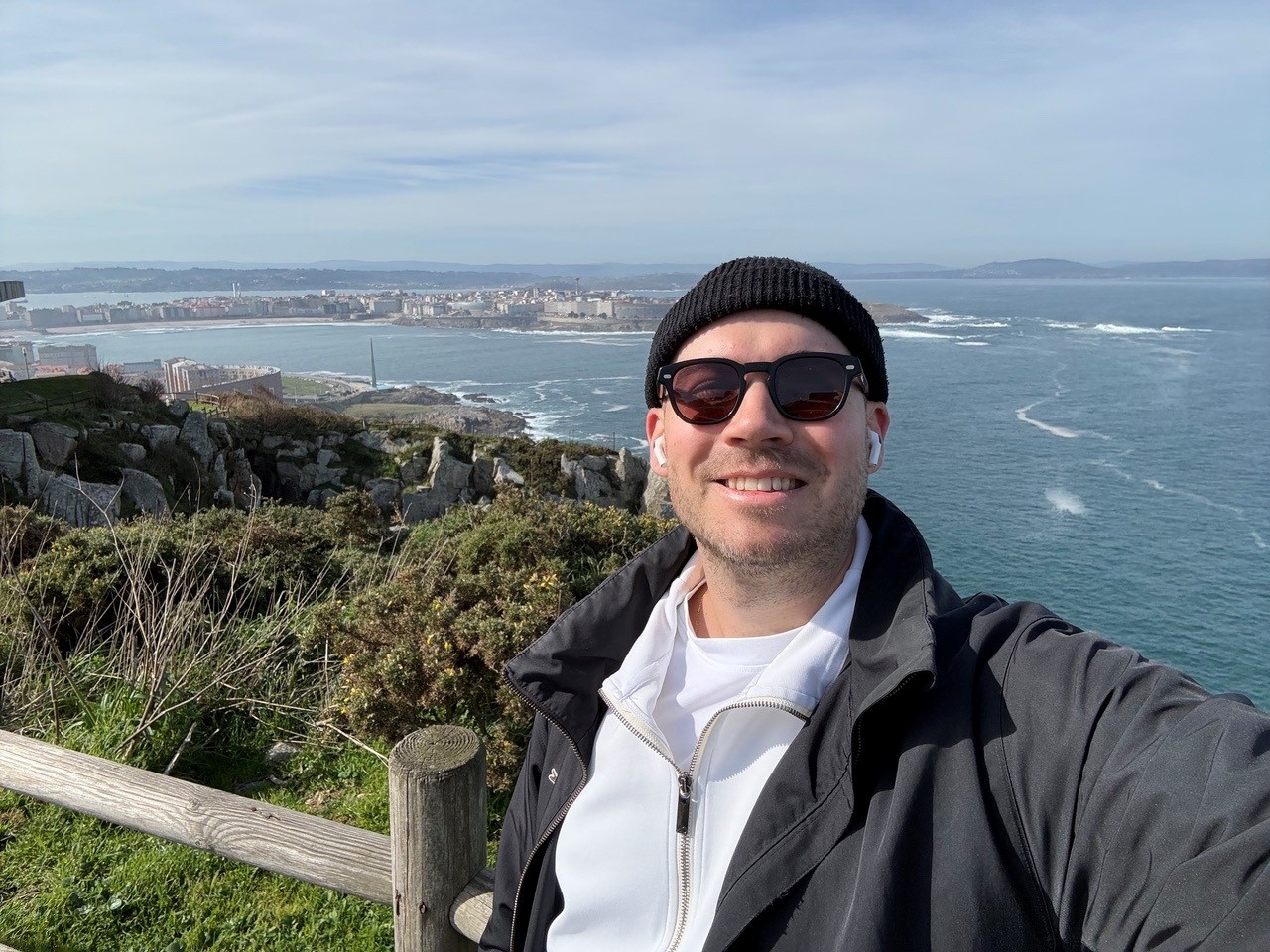
A Coruña was a particularly interesting destination for me, both personally and academically. Similar to Flensburg, the city is strongly shaped by its location in the north or northwest of the country and its immediate proximity to the sea. Since I grew up in Uruguay myself, returning to a Spanish-speaking living and academic environment was also personally meaningful to me. From an academic standpoint, the decisive factor was the Universidade da Coruña’s focus on issues of social inequality in sociology and education. My stay provided me with insights into the teaching of a master’s program geared toward teacher education, in which heterogeneity plays a central role, as well as the opportunity to engage with the social science research team ESOMI.
Preparation
Since A Coruña is located in the far northwest of Spain, you should plan at least one day for both the trip there and the return trip. One option is to fly only as far as Madrid and then continue on to A Coruña from there by a Renfe long-distance or high-speed train. The trip takes only about four hours and is faster than you might think. This makes at least the domestic part of the journey more environmentally friendly. Since the Elviña campus is located just outside the city but can be reached by bus in about 20 minutes, it makes sense to stay in a hotel or vacation rental in the city center. This way, you can easily combine your commute to the university with city life.
Stay
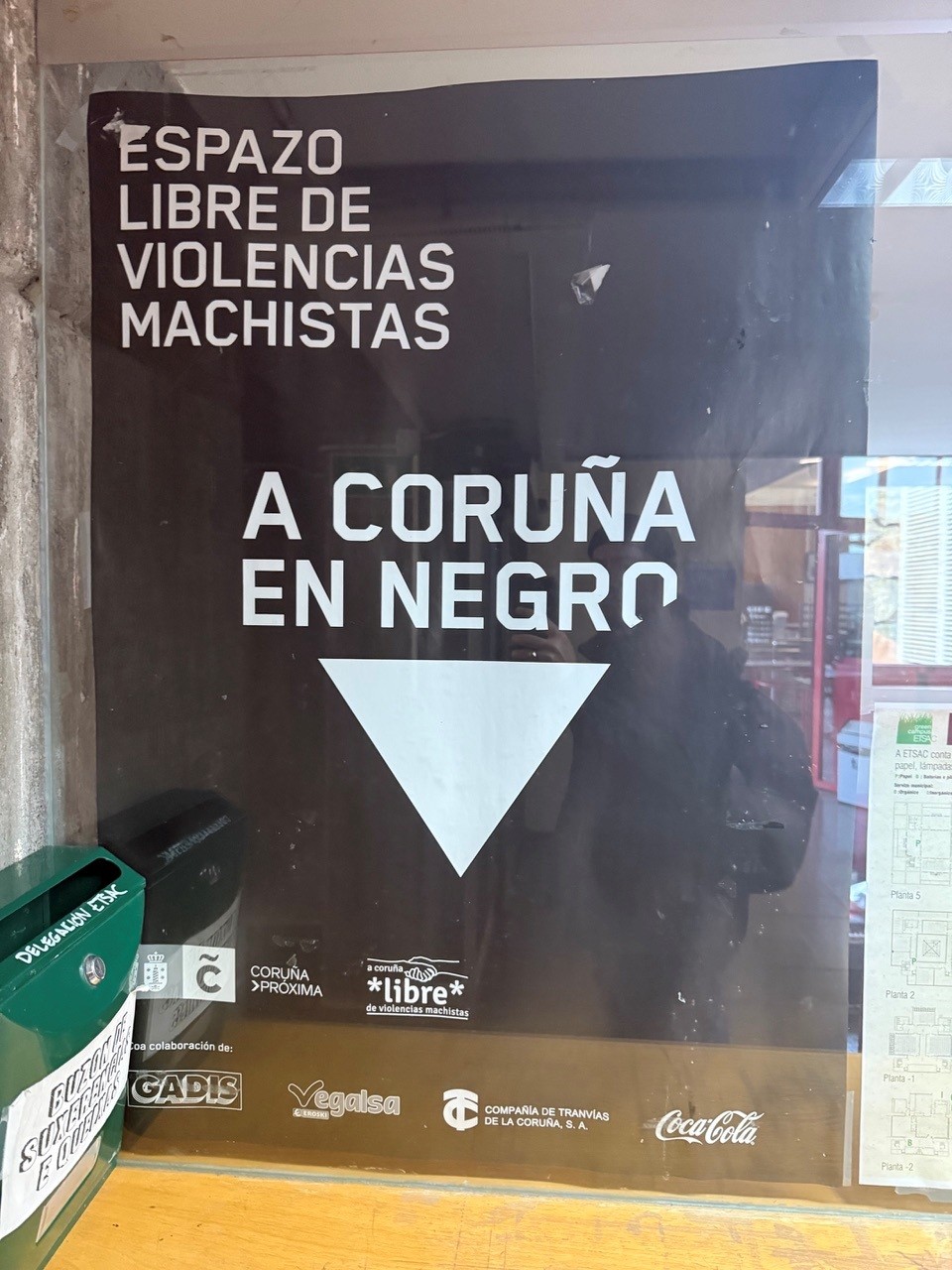
The focus was on my teaching contributions to sociology and education programs, as well as on exchanges with scholars and civil society initiatives in my field of research. I found it particularly interesting to connect with Rexenerando, a nonprofit cooperative that works on issues including gender, identity, and LGBTIQ topics. The program also included getting to know the city: We visited the fish market, and the exhibitions at the MOP Foundation are definitely worth a look. The Paseo Marítimo also offers a great opportunity to walk, run, or engage in other physical activities right along the Atlantic Ocean. From there, you can admire the Torre de Hércules, a UNESCO World Heritage Site and one of the oldest lighthouses in the world still in operation.
Conclusion
The Erasmus+ stay in A Coruña was a great benefit to me both personally and professionally. I was able to brush up on my Spanish and gain exposure to teaching and research contexts in subject areas that are central to my own work. At the same time, I made new connections and gained new insights that tie directly into my research and teaching activities at the EUF and that may also lead to further collaborative research projects.