
Motivation
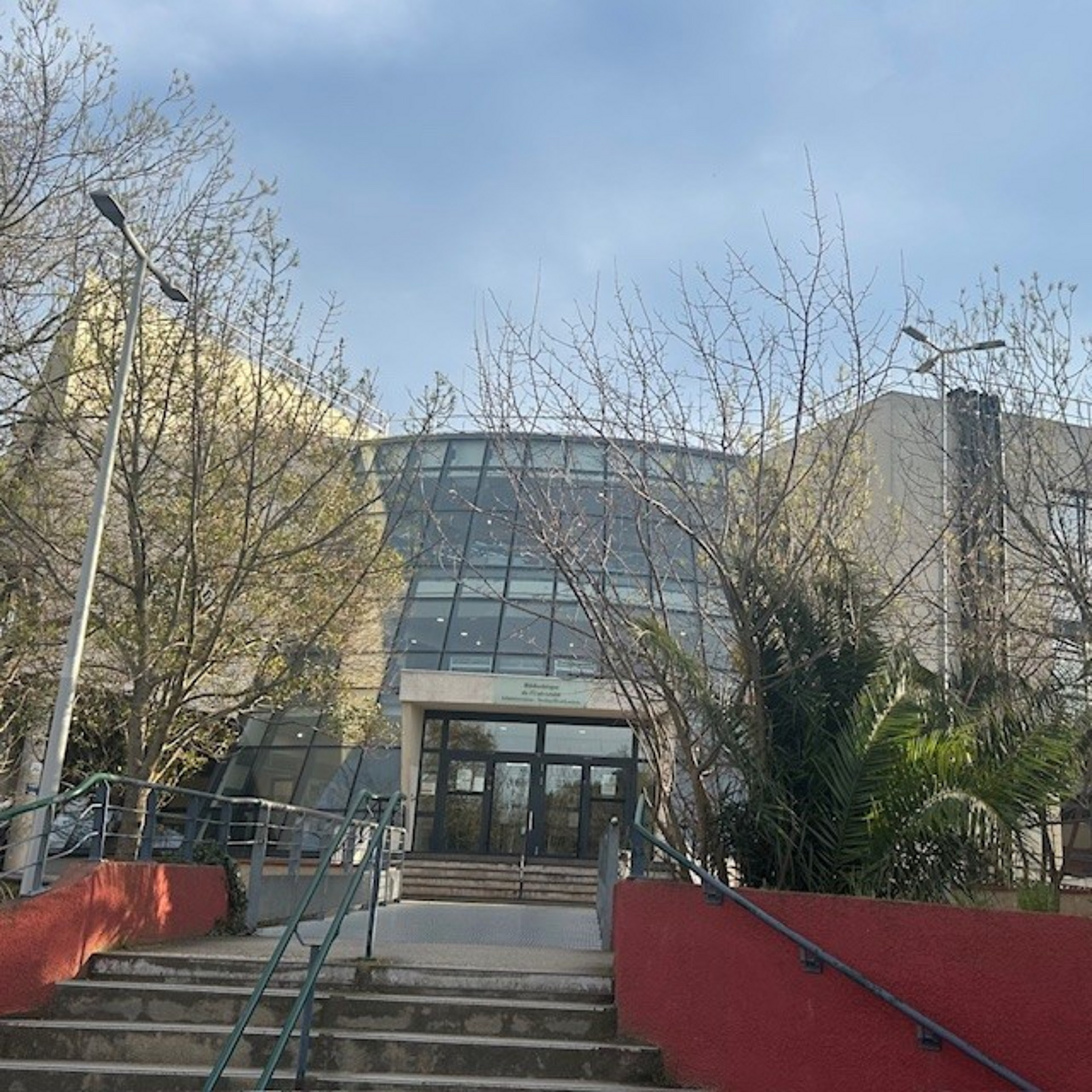
For many years, there have been collaborative relationships with the Department of Geography at the Université de Perpignan Via Domitia—in particular with Prof. David Giband’s research group—in the field of educational geography. In addition to the academic affinity, the university’s geographical location near the border also played an important role in the selection process, as there are numerous structural similarities between the two institutions. The surrounding landscape of the “Pyrénées-Orientales,” with its long-established agricultural structures, is particularly affected by climate change and is therefore, in a sense, a “laboratory for the future.”
Stay
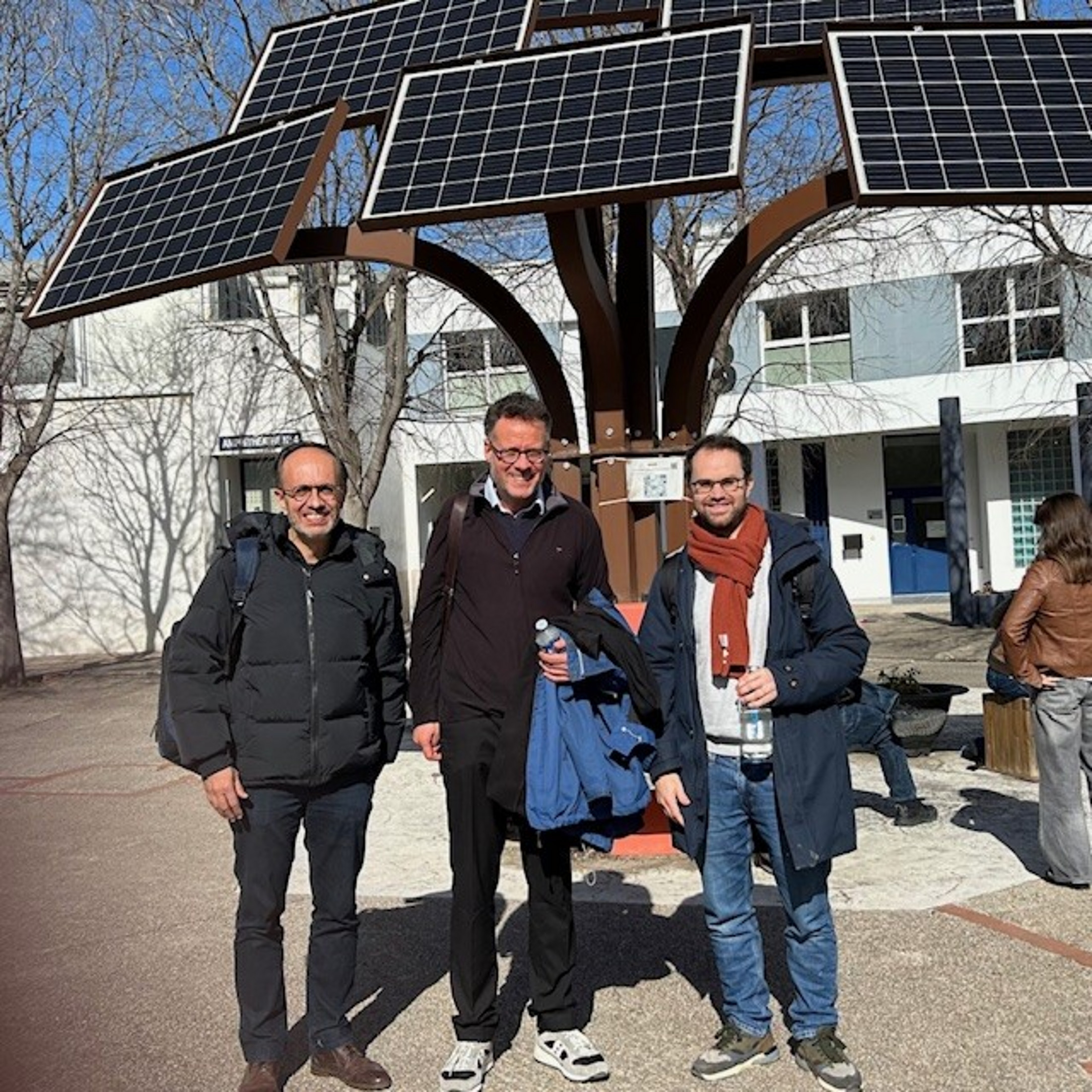
In addition to my courses in the fields of educational geography, current developments in human geography, and geography education in Germany, the focus of my visit was on planning joint projects. This allowed us to finalize plans for a joint BIP on “Geography (of) Education” and to develop initial ideas for joint research projects with both a Franco-German and a European perspective. In addition, discussions focused on current developments in the respective higher education and school systems, particularly with regard to current privatization trends in France.
Conclusion
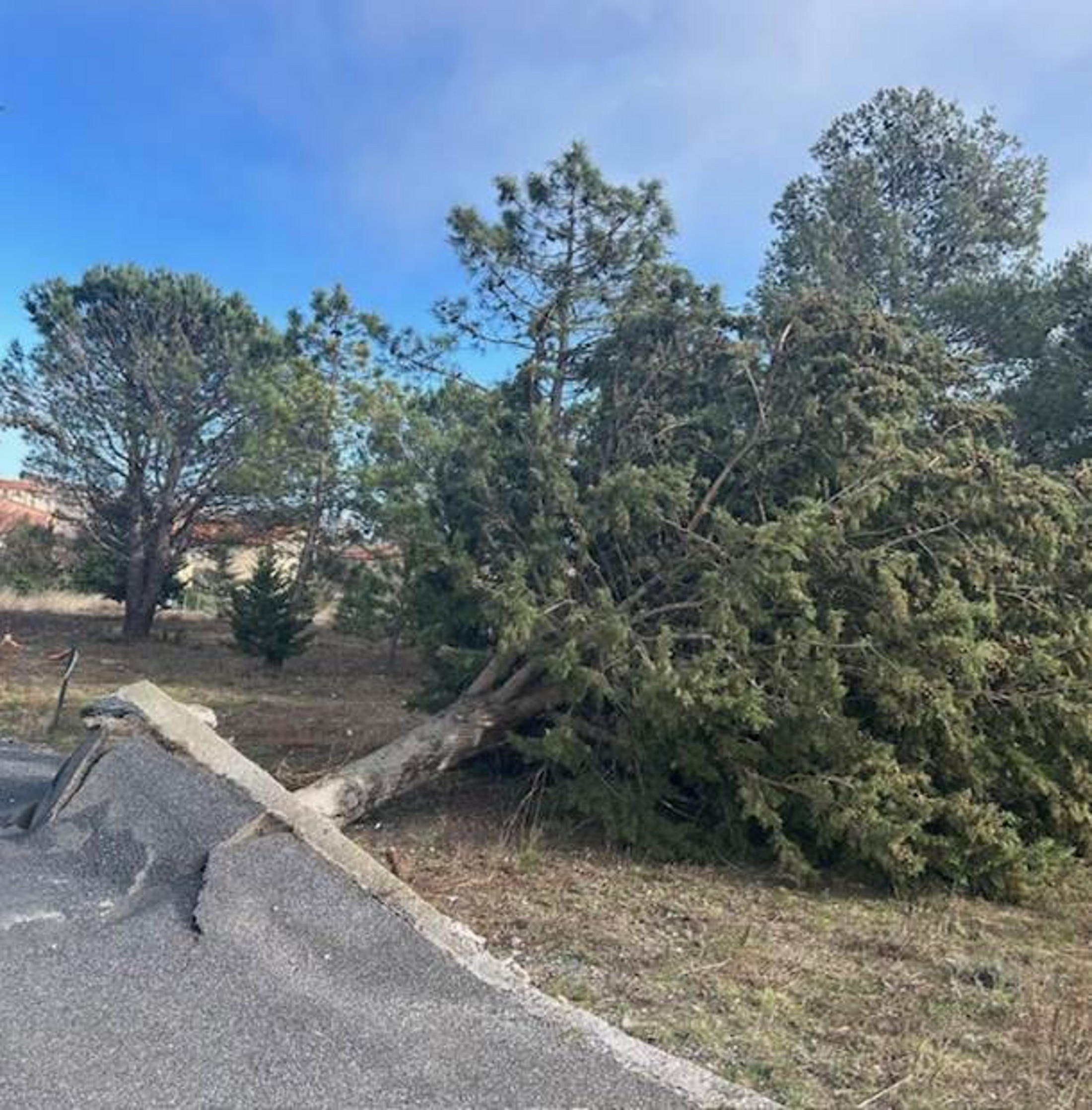
In conclusion, I would like to thank my colleagues at the UPVD for their warm hospitality and the lively and wide-ranging discussions on academic developments—particularly in the field of educational geography—current trends in higher education policy, and the in-depth insights into how they are actively addressing the massive challenges of climate change: ranging from progressive bicycle and public transit policies, to well-developed consumer protection, to agricultural transformation in times of drought and aridity, as well as restrictive policies on land sealing. This information will certainly be incorporated into my courses on the geographies of Europe.