
Motivation for the visit
“Practical experience” is probably the most common answer when teacher education students are asked what they hope to gain from their studies. When former students are asked about the most formative moments of their studies, they often speak of study abroad experiences through the Erasmus+ program and the experiences and international friendships they gained as a result.
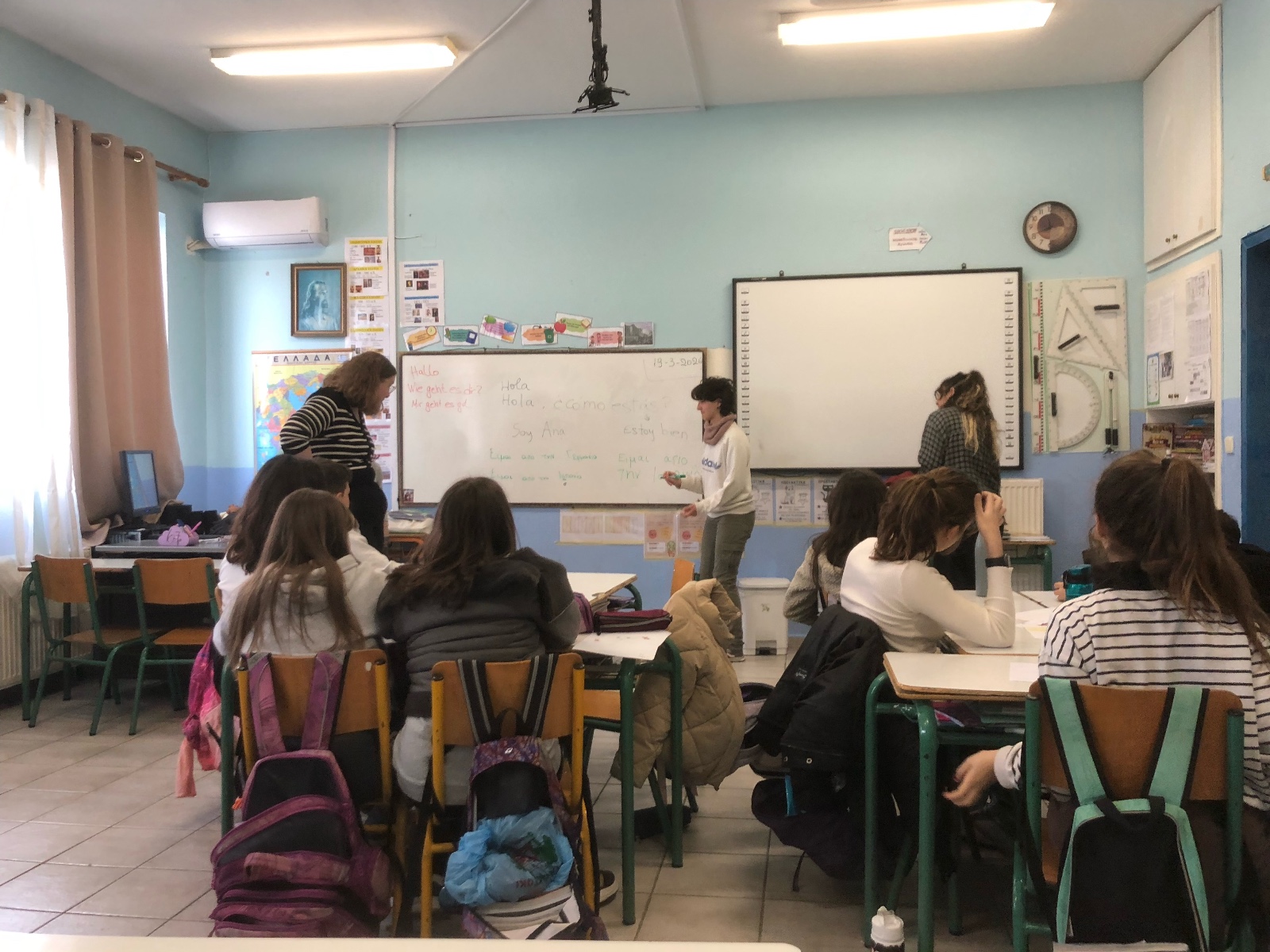
The idea behind the one-week Blended Intensive Program at the EMERGE partner university in Alexandroupolis (Greece) was to combine both: teams of three students each from the participating universities jointly teach a 90-minute lesson at a Greek school. After having organized Blended Intensive Programs in Spain, Slovakia, and Germany in previous years with project partners from Alexandroupolis (Greece), Prešov (Slovakia), Burgos & A Coruña (Spain), this time our Greek colleague agreed to welcome us to beautiful Alexandroupolis.
Preparation
The course was planned in collaboration with faculty members from the universities of Alexandroupolis, Burgos, Prešov, and the EUF, both during several online meetings and during a joint three-day visit to Prešov in February 2026. After we had already managed to recruit some interested students for the BIP in December 2025, we received positive feedback from our Greek colleague in January that we could offer a spot to all interested students. Thanks to the patient support of our colleagues at the International Center, completing all the necessary paperwork was manageable for both us and the students. To make digital collaboration during the BIP more interactive and to provide all materials in compliance with data protection regulations, we used the eTwinning platform to create a joint project course.
Stay
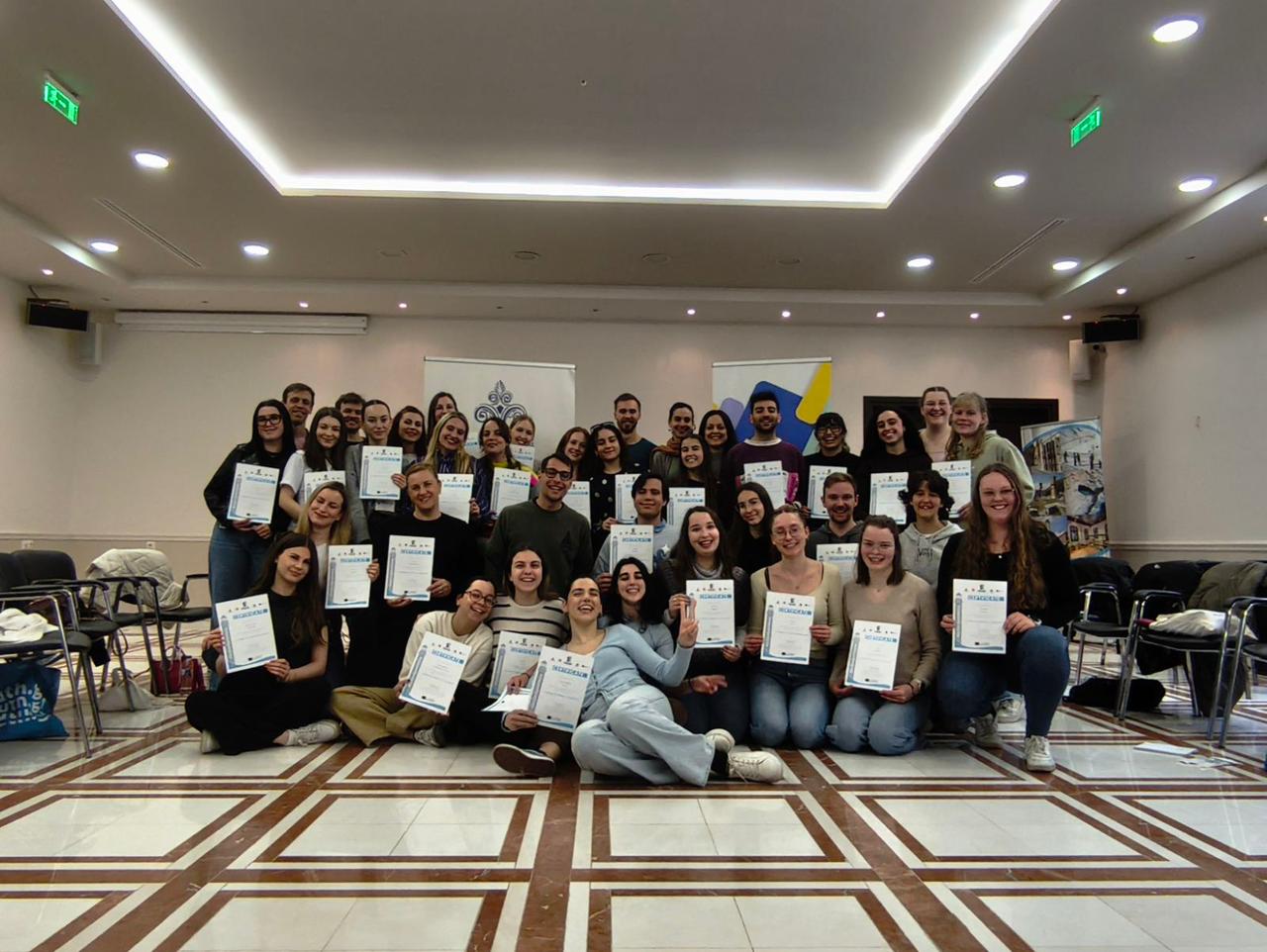
The first few days of the stay in Alexandroupolis, as well as two online meetings held prior to the on-site teaching week, provided academic preparation for the lessons conducted at the schools, served as an opportunity to get to know the other students, and focused on models for integrating democratic participation and autonomous learning into daily school life and subject-specific instruction. By working on their lesson plans together with students from other universities in Alexandroupolis during the week, our students learned in a very concrete and practical way just how different teacher training—and even the very concept of school—can be in the partner countries, and yet how similar the characteristics of good teaching often are. Outside of the courses, not only the host professor from Alexandroupolis but also the participating students from Greece served as excellent hosts, ensuring that participants got to know the history and culture of this city in the far northeast of Greece through workshops at a museum, a city tour, a visit to a national park, and activities outside the official program.
Conclusion
The highlight and also the biggest challenge for the students was actually standing in a Greek elementary school classroom alongside their international partners on the day before the end of the BIP and delivering the lesson they had planned. For our students (with the exception of one future English teacher), it was the first time they had taught in English and, of course, the first time they had taught outside of Germany. However, the students agreed that taking this (big) step out of their comfort zone was absolutely worth it. The students at the school didn’t want to let the visiting students leave at all, and despite the short stay, the international student group bonded so closely that mutual visits were planned immediately. At the faculty level as well, this BIP was part of an ongoing, sustainable collaboration, so that joint research projects were pursued during the stay and planning for another, similar exchange in Prešov has already begun.