Press releases of Europa-Universität Flensburg (EUF)
In memory of Margarete Mitscherlich-Nielsen
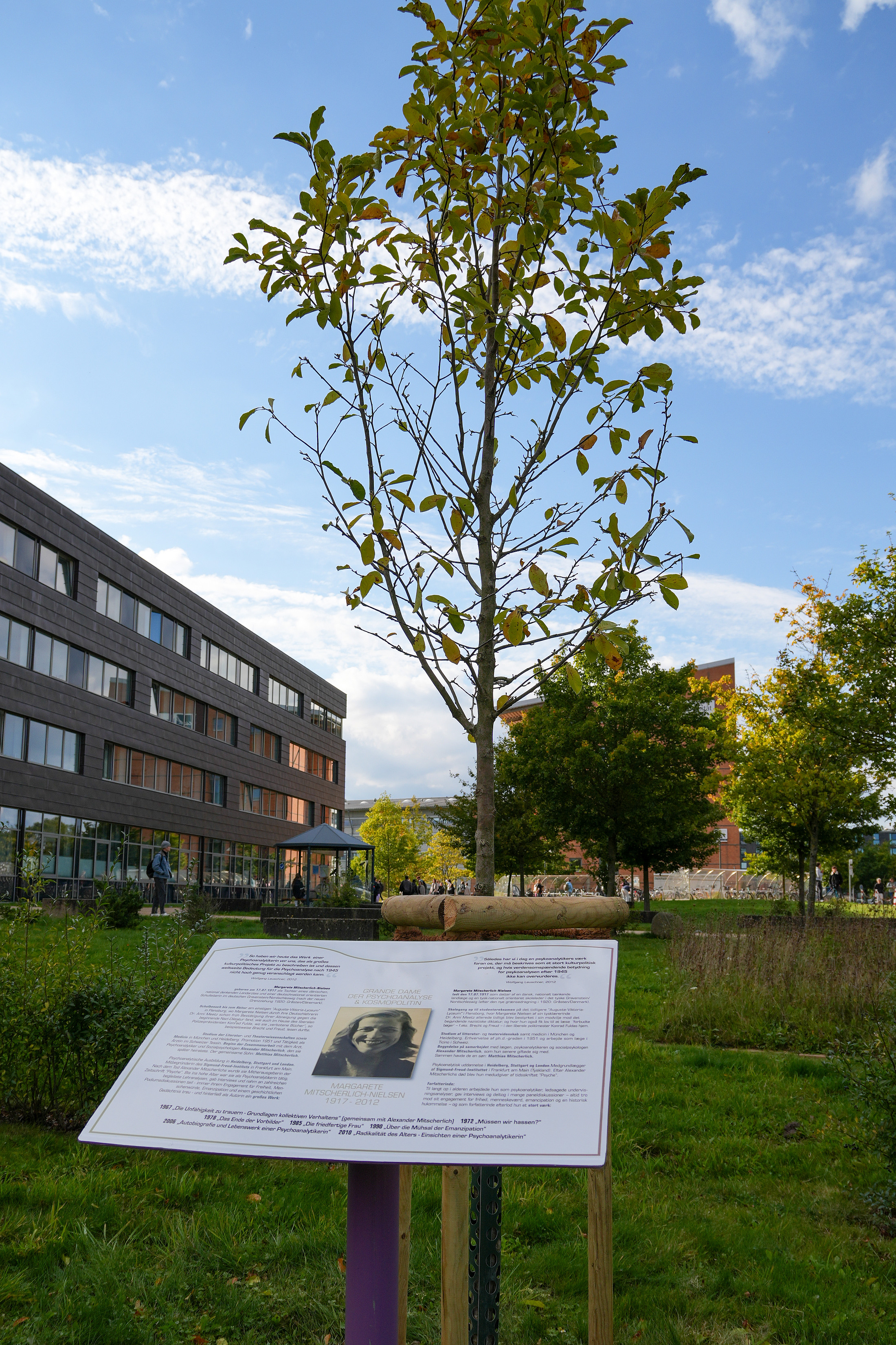
In future, a magnolia tree and a memorial plaque near the street sign of the Mitscherlich-Nielsen-Straße will draw attention to the psychoanalyst, after whom the street has been named since 2023. Margarete Mitscherlich-Nielsen had her family roots in the German-Danish border region and was the first woman to be awarded the City of Flensburg's Culture Prize in 1984.
The name for the street on which the university buildings Tallinn and Riga are located was proposed by the university in 2023. The employees had been able to choose between three options and selected “Mitscherliche-Nielsen-Straße”
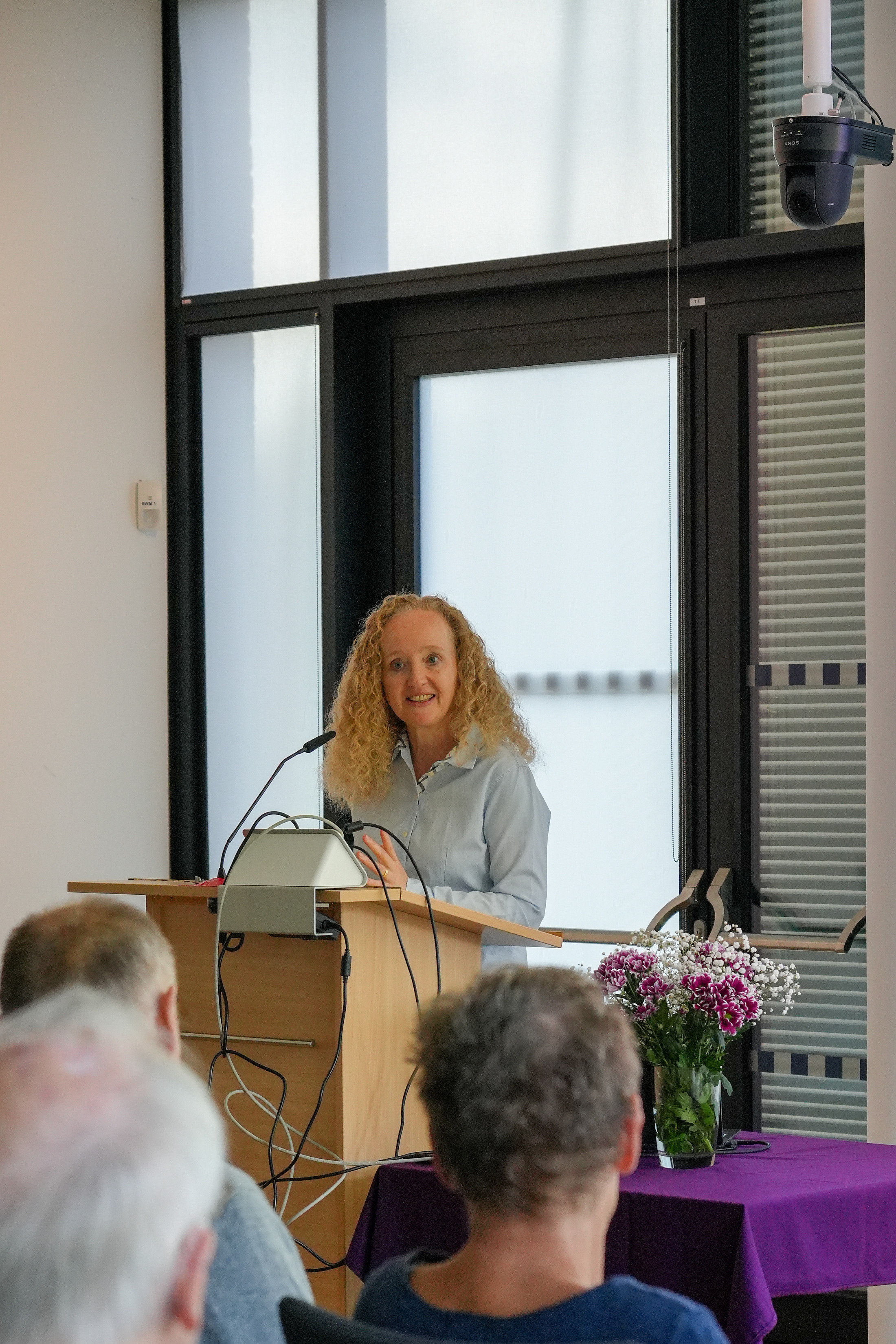
"For Margarete Mitscherlich-Nielsen, emancipation from social restriction and injustice is a process, an attitude and not something completed. It is a constant attempt to change inhumane conditions, to improve people's lives and also to put one's own participation to the test. This is what makes her work so topical and her name on our campus should serve as a daily reminder," explains Prof. Dr. Andrea Kleeberg-Niepage, who organized the memorial event at the university.
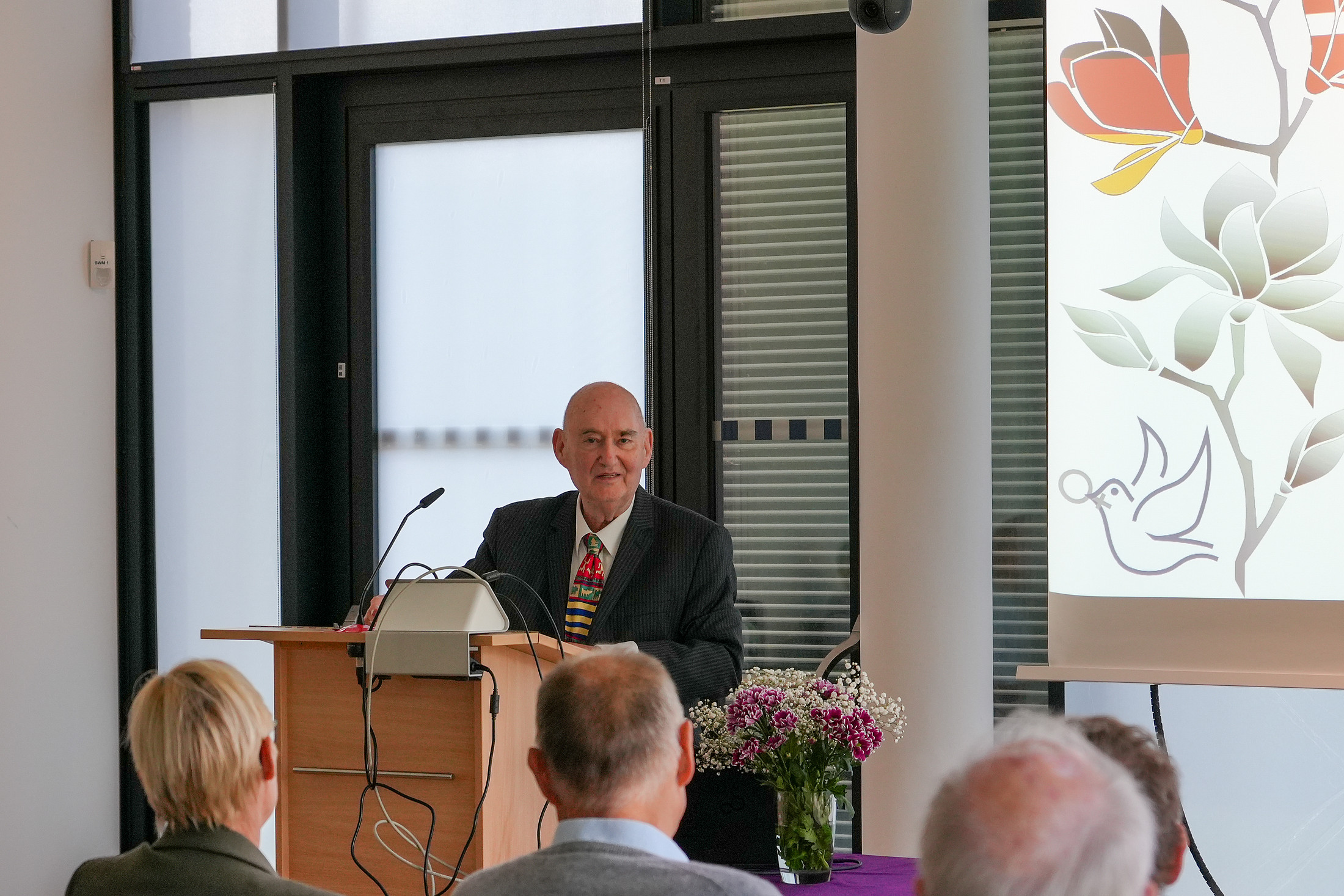
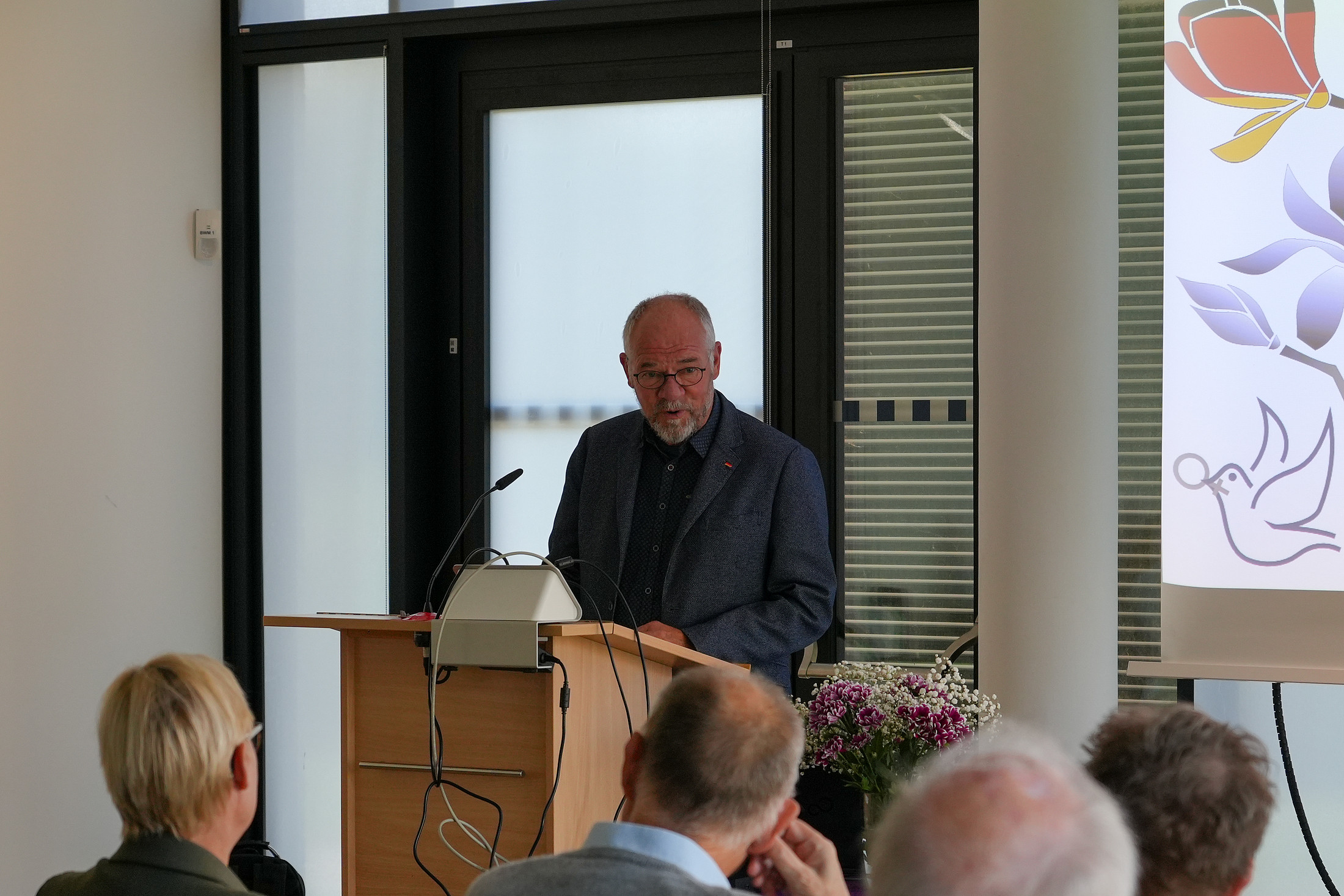
“Margarete Mitscherlich-Nielsen is one of the extraordinary and important women in Germany after 1945 who should be remembered by us and by today's and tomorrow's youth,” explains Horst Jordt. He is a co-organizer of the event and has campaigned for this street name in Flensburg for a few years.
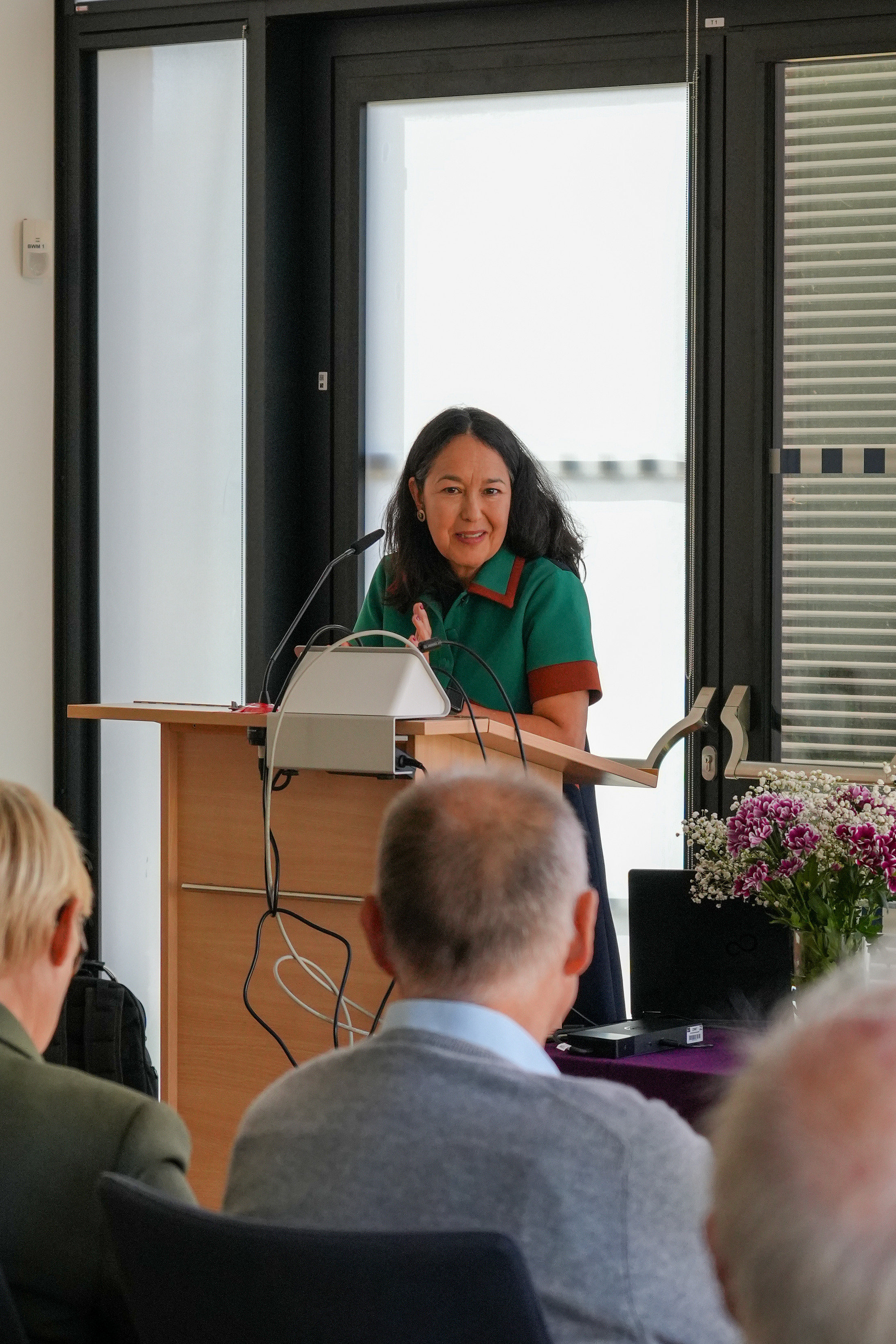
In addition to greetings from the University President Christiane Hipp and former City President Hannes Fuhring, the Danish Consul General Annette Lindt spoke. Margarete Mitscherlich-Nielsen's son was also present when his mother's speech was read out on the occasion of the awarding of the City of Flensburg's Culture Prize. Here she emphasized how strongly her childhood and youth in the border region had influenced her. Mitscherlich-Nielsen went to Munich to study medicine and literature and began her training as a psychoanalyst in 1951. In her work, Mitscherlich-Nielsen dealt with Germany's National Socialist past and the role and emancipation of women in the German post-war era. In 2001, she was awarded the Grand Cross of the Order of Merit of Germany.