Press releases of Europa-Universität Flensburg (EUF)
Crackling Sounds and Flying Sparks
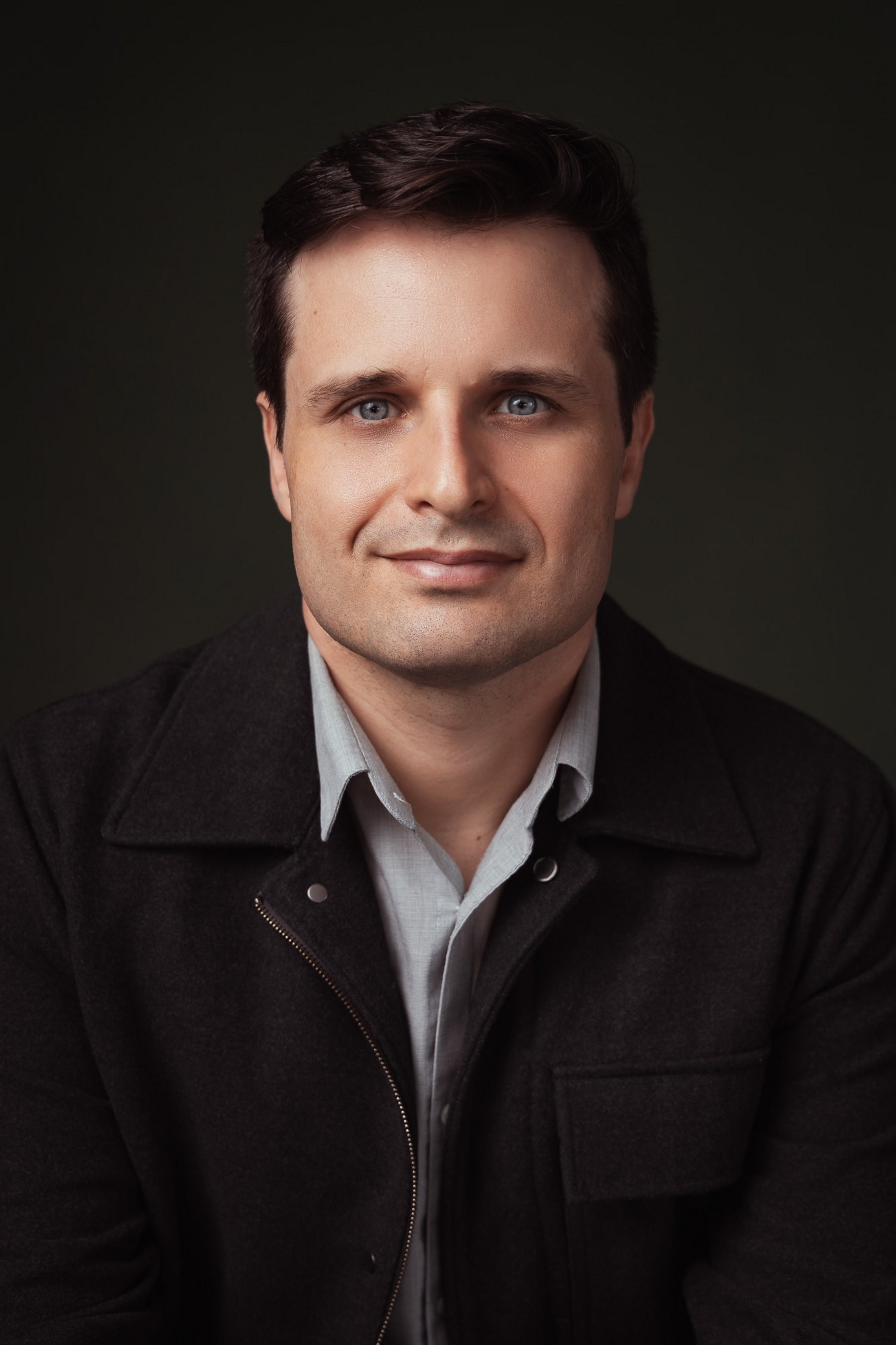
Prof. Dr. Breno Arsioli Moura examines the images closely. He came to Europa-Universität Flensburg as visiting scholar at the Institute for physics and its didactics and history, as part of the Humboldt program. For one year, he has conducted research here on images related to electricity theory in the 18th century, looking at which images accompany experimental descriptions and how experiments and physical phenomena are visually represented.
“After looking at the images of Benjamin Franklin’s well-known kite experiment and realizing that none of the depictions are correct, I asked myself what might be discovered in those from other periods in the history of physics,” explains Prof. Dr. Arsioli Moura, describing his interest in historical illustrations.
Viewed from different angles, the images reveal a range of notable observations. “The history of European electricity theory has already been studied very thoroughly" he notes, describes his research approach. "What has received little attention so far are the images that illustrate this history. There is still much to be discovered here.”
Circulating Scientific Ideas and Women's Involvement in 18th-Century Science
Visting archives in Kiel, Munich, Berlin, Paris and other locations, Prof. Dr. Arsioli Moura compared a wide range of images of physical experiments and phenomena. These clearly show that scientific ideas were actively circulating throughout Europe in the 18th century. Many of the images depict scenes in a similar visual style, and the experimental setups shown in different countries closely resemble one another.
A closer look at the variations in these depictions reveals striking differences. While illustrations from German-speaking regions predominantly show men, images from Italian and French contexts also depict women taking part in experiments.
When sparks fly
Technical details also emerge in the copper engravings and illustrations of natural science experiments. Sparks, for example, are depicted in various ways, ranging from fire-like forms to root-like or fluid-like structures.
The people behind the illustrations also come into view. “Only a few of those who created the illustrations are known; most of them were published anonymously. In some cases, names appear beneath the images, and in individual instances I was able to trace these artists through financial records,” says Arsioli Moura. However, such recognition of artistic work was rare.
Humboldt Research Fellowship supports European research
“The Humboldt fellowship gave me the opportunity to conduct research directly in Europe on depictions of European electricity theory. It has become clear that several aspects of these illustrations merit further study,” says Prof. Dr. Breno Arsioli Moura. After completing his one-year research stay, he will return to Brazil. His research findings are to be published in a book.
Prof. Dr. Breno Arsioli Moura
Prof. Dr. Breno Arsioli Moura is a Brazilian scholar at the Federal University of ABC in Brazil. His work focuses on physics and its didactics. A particular emphasis of his research lies in historical illustrations of physical experiments and phenomena, which he uses to gain deeper insight into the history of physical discovery and research.

Juliane Groß Friederichsen
Hauptamtlich tätig
- Phone
- +49 461 805 2771
- juliane.gross-PleaseRemoveIncludingDashes-@uni-flensburg.de
- Building
- Gebäude Dublin
- Room
- DUB 220
- Street
- Campusallee 3
- Post code / City
- 24943 Flensburg