

Transcultural European Studies (TES): Languages, Cultures, Interactions (Bachelor of Arts, B. A.)

Study Europe’s culture by living it – in 3 countries and 3 languages.

Contents

You’ll learn more about Europe by experiencing it yourself!

In the B.A. program Transcultural European Studies (TES), you’ll study in Germany, France, and Spain. The goal: to truly understand Europe and its cultural diversity – with a focus on languages, cultures, literature, and media.

You’ll learn German, French, and Spanish, and experience what it’s like to live in different countries. Enjoy an international study environment that prepares you for exciting career opportunities both in Germany and abroad.

The degree program at a glance

Degree

Bachelor of Arts (B.A.)

Duration

8 semesters (= 4 years)

Study start

Fall semester (= September)

Languages

German, French, Spanish

Application period

Europa-Universität Flensburg (EUF): May 15 to July 15

Different deadlines apply if you want to start at one of the partner universities

Tuition fees

Only at one of the three universities

Type of course

Full time

Semester abroad

Mandatory

Internship

Mandatory

Here you’ll find everything you need to know about applying, admission, and deadlines

To the info

Course content: What this degree program is all about

  • Language learning – primarily German, French, and Spanish. English is also used for communication between students but it isn’t an official requirement
  • European cultures in their many forms of expression
  • European literature and media – from comics such as Asterix and Obelix to classics such as Faust
  • Ideas and roots of the Europe we know today

Checklist: Is this degree program right for you?

  • You’re fascinated by European cultures.
  • You’re excited about a unique degree program in an international setting.
  • You love learning languages – especially French and Spanish.
  • You’re not ready to commit to a specific career yet, but want a program that prepares you for professional life.
  • You’re willing to live and study abroad for two years.
  • You’re more interested in language and culture than in economics or politics.
  • You enjoy interacting with people.

Course structure: Your path through the TES degree program

1. Semester2. Semester3. Semester4. Semester5. Semester6. Semester7. Semester8. Semester
An introduction and a shared, study-accompanying digital module that supports you throughout your studies and connects you with students from the other universities.Organization and execution of a student conference: Together with students from Flensburg, Strasbourg, and Malaga, you organize an academic conference.
Language acquisition: You learn French, Spanish, German, and academic English.

Europe: You explore historical and contemporary European topics and get to know European cultures.

Examples of topics include ideas of Europe, European initiatives, European intellectual history, and Europe as a cultural space in global contexts.

Internship: Through an internship (usually in France or Spain), you explore a potential future career field.

Culture, Language, Literature & Media: This area focuses on the role and significance of languages, media, and cultural forms of expression in the past, present, and future within transcultural contexts.

Topics include, for example, Europe’s linguistic diversity, literature, history, philosophy, and narratives of Europe.

Bachelor's thesis: As the conclusion of your studies, you write a binationally supervised thesis on a topic of your choice.
Study location:
Flensburg
Study location according to your language level:
Malaga oder Straßburg
Study at the respective partner location:
Malaga oder Straßburg
Study location freely selectable: Flensburg, Malaga oder Straßburg

Your all-round support guarantee:

You’ll be supported throughout your entire studies through a range of services and offerings.

The program coordination team is your reliable point of contact and stays in close touch with you.

Excellent support is guaranteed at all study locations.

1 degree program, 3 countries: More info on how the TES program works

Being trinational means that the TES program is studied in three countries:

  • Germany – at Europa-Universität Flensburg (EUF)
  • France – at Université de Strasbourg (Unistra)
  • Spain – at Universidad de Málaga (UMA)
  • How your studies unfold depends on where you start.
  • The graphic above shows the schedule if you begin at EUF.
  • Check our website for details and, if you have questions, the program coordinator is happy to help.
  • During the first three years of the TES degree program, you’ll spend one year (two semesters) in each of the three countries.
  • Your first year (the first two semesters) is always at your home university – the one where you applied and got accepted.
  • After that, you go abroad; for EUF students, to Spain and France.
  • As an EUF student, the order in which you stay in Spain and France is decided during your first semester together with the TES coordinator. Your language skills will be taken into account to make sure you’ll be able to follow the courses at the partner university.
  • During the first three years, the focus is on:
    • learning French, Spanish, and German
    • Europe (historical and current topics)
    • European culture, language, literature, and media (the function and significance of language, media, and other forms of cultural expression)
  • In the fourth year (your last two semesters), you’ll study again in one of the three countries – you can choose where.
    • You will complete an internship of at least 8 weeks in one of the two partner countries, organizing an academic conference with other students.
    • You will also write your bachelor’s thesis in the fourth year.

No, don't worry! From the first year, you’ll meet the other TES students in an online module and stay connected digitally throughout your studies. At each university, you’ll get excellent support – the program coordinators are always there to guide and advise you.

Want to know more details?

Prof. Dr. Margot Brink talks about TES – and why comics play an important role in understanding a culture

All the relevant information about the TES degree program at a glance

Download flyer (PDF, 844 KB)

Help and advice: Where to find support

Do you have questions about the courses offered in the program?

Picture of Renate Anschütz

Renate Anschütz

Program coordinator | questions about applying or courses

Phone
+49 461 805 2898
E-mail
renate.anschuetz-PleaseRemoveIncludingDashes-@uni-flensburg.de
Building
Gebäude Oslo
Room
OSL 341
Street
Auf dem Campus 1
Post code / City
24943 Flensburg

Prof. Dr.Margot Brink

Flensburg program director | subject-specific questions about the study program

Phone
+49 461 805 3031
E-mail
margot.brink-PleaseRemoveIncludingDashes-@uni-flensburg.de
Building
Gebäude Oslo
Room
OSL 334
Street
Auf dem Campus 1
Post code / City
24943 Flensburg
Show details

Student council TES

For personal insights into the study program

Do you have general questions about studying at Europa-Universität Flensburg (EUF)? Are you unsure which degree program suits you best?

Student feedback: What graduates say about the degree program

Admission requirements: What you need to study TES

At a glance

  • Admission to the TES degree program is limited – each of the three universities offers only 20 places. Your high school grades play a key role in the admission decision.
  • You need a general higher education entrance qualification (Abitur), or a subject-based university entrance qualification (fachgebundene Hochschulreife) in the fields of economics, design or social affairs.
  • You also need German language skills at C1 level, plus French and Spanish – at least A1 in one of them and B1 in the other. You must submit certificates for these languages with your application. English is also important for everyday university life, but no official certificate is required.
  • Application deadlines vary depending on which university you want to start at:

For those who want to know exactly what they need to do:

Check admission requirements

Career prospects: What are the options after graduation?

Career prospects

If you complete the trinational Bachelor Plus program TES, you’ll be well prepared for the international job market.

You’ll be familar with Europe’s cultural and linguistic diversity and be able to speak Spanish, French, German, and English – ideal for working in cultural institutions or the media sector, for example.

Typical workplaces for TES graduates (alumni):

  • Cultural and cultural-policy institutions and organizations (such as Instituto Cervantes, Institut français, Goethe-Institut, as well as museums, EU agencies, and Literaturhäuser (literature houses) – especially those with an international focus
  • Media organizations
  • Tourism companies
  • Educational institutions

Typical career paths:

  • You could work as an editor for a newspaper or publishing house.
  • You could create content for an advertising agency or social media that’s tailored to an international audience.
  • You could promote cooperation between countries as a coordinator at the Franco-German Youth Office, the Goethe-Institut, or the German Academic Exchange Service (DAAD).
  • You could produce exciting programming for the television company Arte.
  • You could teach languages.
  • You could help museum visitors explore Europe’s historical and cultural development.
  • You could organize events and bring people together as a cultural manager in a city.
  • You could work for a tourism company and develop concepts for educational trips.

Suitable master’s programs

If you want to deepen your knowledge, you can pursue a master’s degree. The TES bachelor’s degree prepares you for various master’s degree programs at EUF, the two TES partner universities, or other universities in Germany or abroad.

You can find master’s degree programs offered at the three TES universities on our website.

In principle, you can also consider completely different degree programs. A bachelor’s degree rarely limits you to just one master’s degree option – it opens up a wide range of opportunities, just as in the job market.

Doctorate

With a master’s degree, you have the opportunity to pursue a doctorate. 

Doctoral studies at EUF

One program, many benefits: What TES has to offer you

  • One degree program, three degrees: With TES, you don’t just earn a German bachelor’s degree – you also get a Spanish and a French degree.
  • Extra benefits: In addition to the trinational bachelor’s degree, you also graduate with a certificate from the Franco-German University (FGU).
  • International experience: Thanks to the years you spend abroad during your studies, you’ll obtain a thorough understanding of European culture. You’ll be able to communicate fluently in multiple languages and will have international contacts.
  • Career support: Not sure where you want to work? No problem. Your eight-week internship gives you practical experience and networking opportunities before you even graduate. Throughout your studies, theory and practice are closely linked, so you can apply what you learn right away.
  • Financial support: The program is financially supported, especially during the two years abroad through mobility grants.
    • How? TES is supported by Franco-German University (Deutsch-Französische Hochschule, DFH / Université franco-allemande, UFA).
    • Founded in 1997, DFH’s mission is to promote study programs that connect Germany and France – academically, culturally, and linguistically. DFH ensures that programs are highquality and provides financial support – which you benefit from directly.
    • Students currently receive mobility grants of €350 per month for ten months during their second and third years of study (and, if necessary, for the internship).
    • Students also benefit from other DFH offers.
    • The degree program also receives funding, which helps maintain and improve its quality.

Our partner universities

We are here for you: Meet our team

Learn more

Frequently asked questions (FAQs)

A Bachelor of Arts (B.A.) is a first academic degree. It is primarily awarded in the humanities and social sciences, for subjects such as cultural studies, linguistics, and economics. The word “arts” does not refer to art, but to the humanities and social sciences. A Bachelor of Arts qualifies you for a graduate career or entry to a master’s degree program.

During your studies (and on this website), you’ll come across a few program-specific abbreviations:

  • Partner universities:
    • EUF: Europa-Universität Flensburg
    • Unistra: Université de Strasbourg
    • UMA: Universidad de Málaga
  • Other institutions:
    • DFH: Deutsch-Französische Hochschule
    • UFA: French abbreviation for Université franco-allemande
  • The different names for the degree program:
    • Transkulturelle Europastudien: Sprachen, Kulturen, Interaktionen / Transcultural European Studies: Languages, Cultures, Interactions (TES)
    • Estudios transculturales europeos: lenguas, culturas, interacciones / Études transculturelles européennes: langues, cultures, interactions (ETE)
  • With TES, you’ll obtain a trinational bachelor’s degree (German, Spanish, and French) plus a degree from Deutsch-Französische Hochschule. Not many degree programs offer that.
  • During your studies abroad, you will gain in-depth cultural and language skills, and makes international contacts. You’ll study about Europe firsthand.
  • To prepare you for your career, there’s an eight-week internship that will give you practical experience and networking opportunities. You’ll be closely supported and learn in small teams. TES is perfect for you if you’re passionate about languages and culture.

Yes – it’s mandatory. Not just one: you’ll spend two years abroad plus the internship, with the option to study your entire fourth year abroad. TES isn’t for you if you can’t imagine living abroad. If you can, we’ll guide you every step of the way and provide information on funding. The order in which you spend your semesters abroad will be tailored to your language level, so you won’t end up somewhere where the language is too challenging.

Funding for your time abroad comes from mobility grants from Deutsch-Französische Hochschule and the Erasmus program. In other words, you get a scholarship to support your studies. Even though you’ll be enrolled at three universities, you only pay tuition or semester fees at the university you’re currently attending. For example, in Flensburg, there are no tuition fees, just a semester fee. The EUF International Center also has tips for funding your studies, including student jobs.

  • The degree program is selective, with a limited number of places. Your high school grades play a big role in whether you’re admitted. To apply, you need either a general higher education entrance qualification (Abitur), or a subject-based university entrance qualification (fachgebundene Hochschulreife) in the fields of economics and administration, design, or health and social work. You also need to demonstrate language skills in German, French, and Spanish at the required levels.
  • You can check the full admission requirements on the program’s application page.
  • To start the TES program at EUF, you must have German at C1 level, plus French and Spanish (one at A1 and the other at B1). Certificates must be submitted with your application. English is also important for communication between students, but no certificate is required.
  • You can check the full language requirements on the program’s application page.

EUF has a rating of 4 out of 5 stars on Studycheck. 93 percent of students recommend EUF to others.

With the trinational Bachelor Plus degree in TES, you’re ready for the international job market. Since you are familiar with Europe’s cultural and linguistic diversity and speak Spanish, French, German, and English fluently, you’ll be well-prepared for positions in cultural institutions, the media, tourism, or education – both in Germany and abroad.

Yes. After obtaining your bachelor’s degree, you can pursue a master’s either at EUF or at other universities in Germany or abroad – for example, at the two partner universities in Spain and France, which you’ll already know from your undergraduate studies.

If you have questions or run into issues, you can contact the TES program coordinator, the Student Guidance and Counseling Service, and the International Center. If you want to hear how current students find the program, contact the student council.

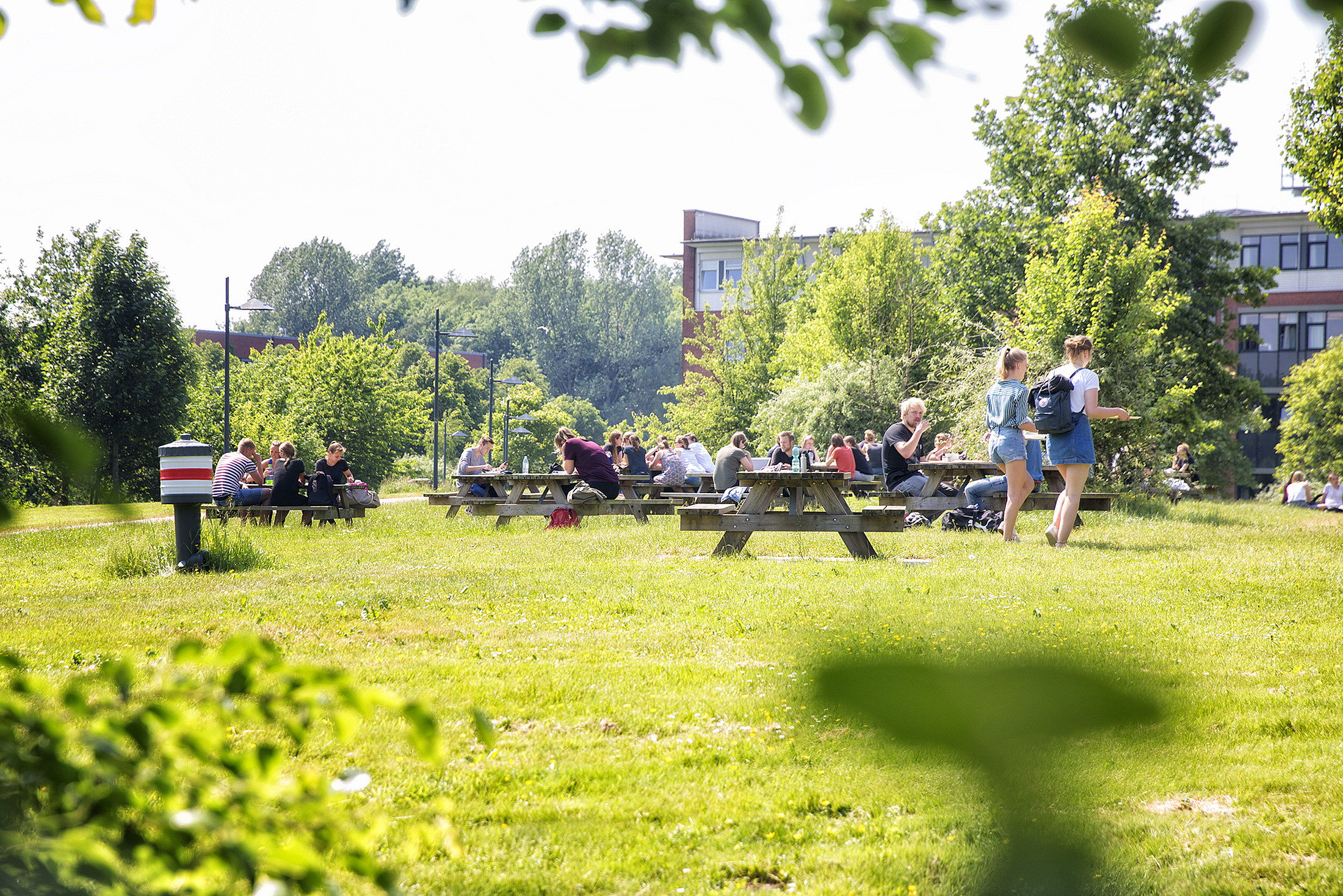
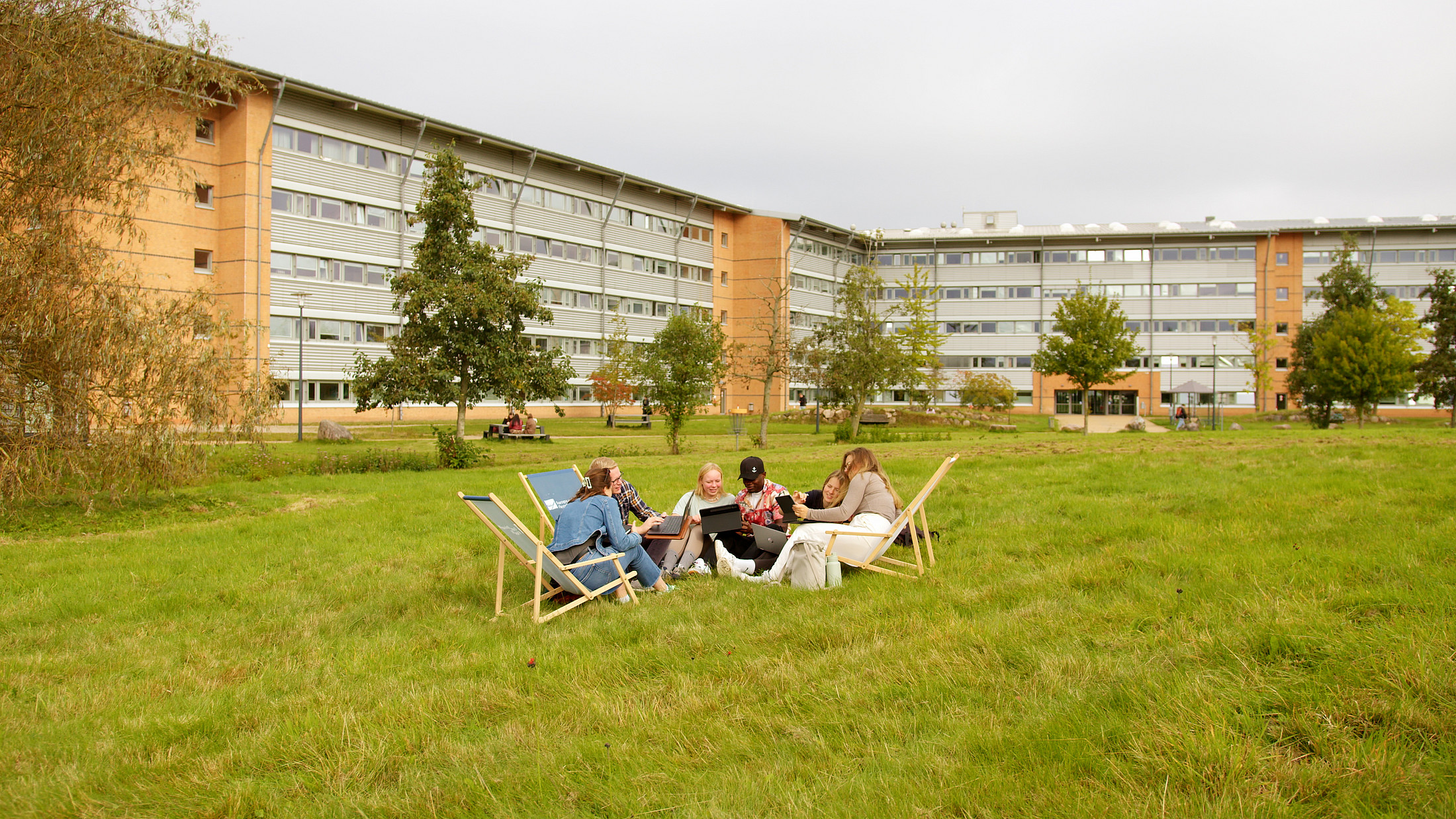
EUF is a small, friendly university in northern Germany with a green campus and many international students.

There are free language courses, a sports center, a swimming pool, and various student organizations (political, environmental, intercultural, and religious).

In the evenings, there are often themed events, such as movie and game nights, theater performances, or barbecues.

You can reach several beaches by bus, as Flensburg is located on the Flensburg Firth. The Baltic Sea, the North Sea, and Denmark are not far away. Hamburg is only two hours away by train.

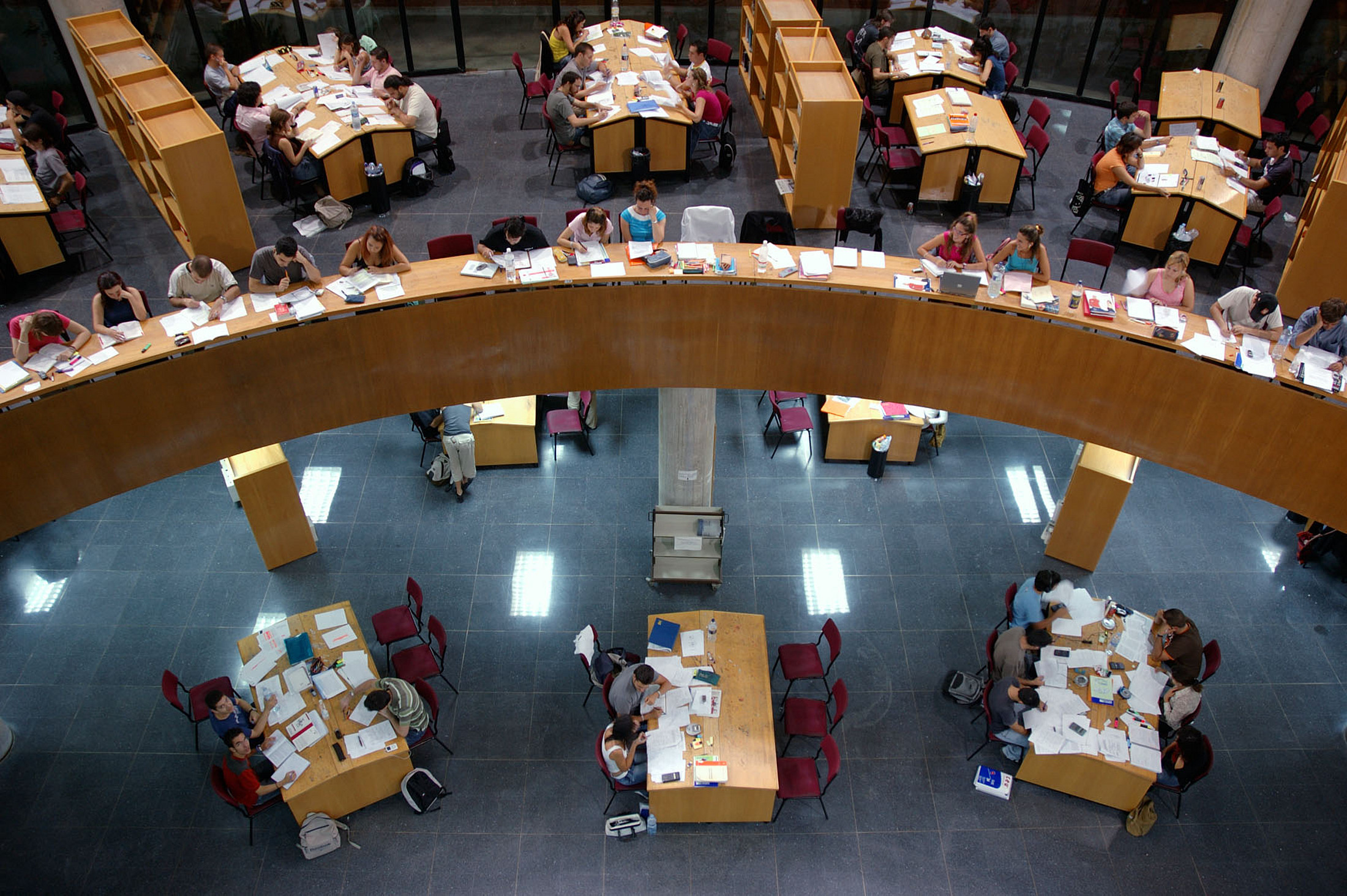
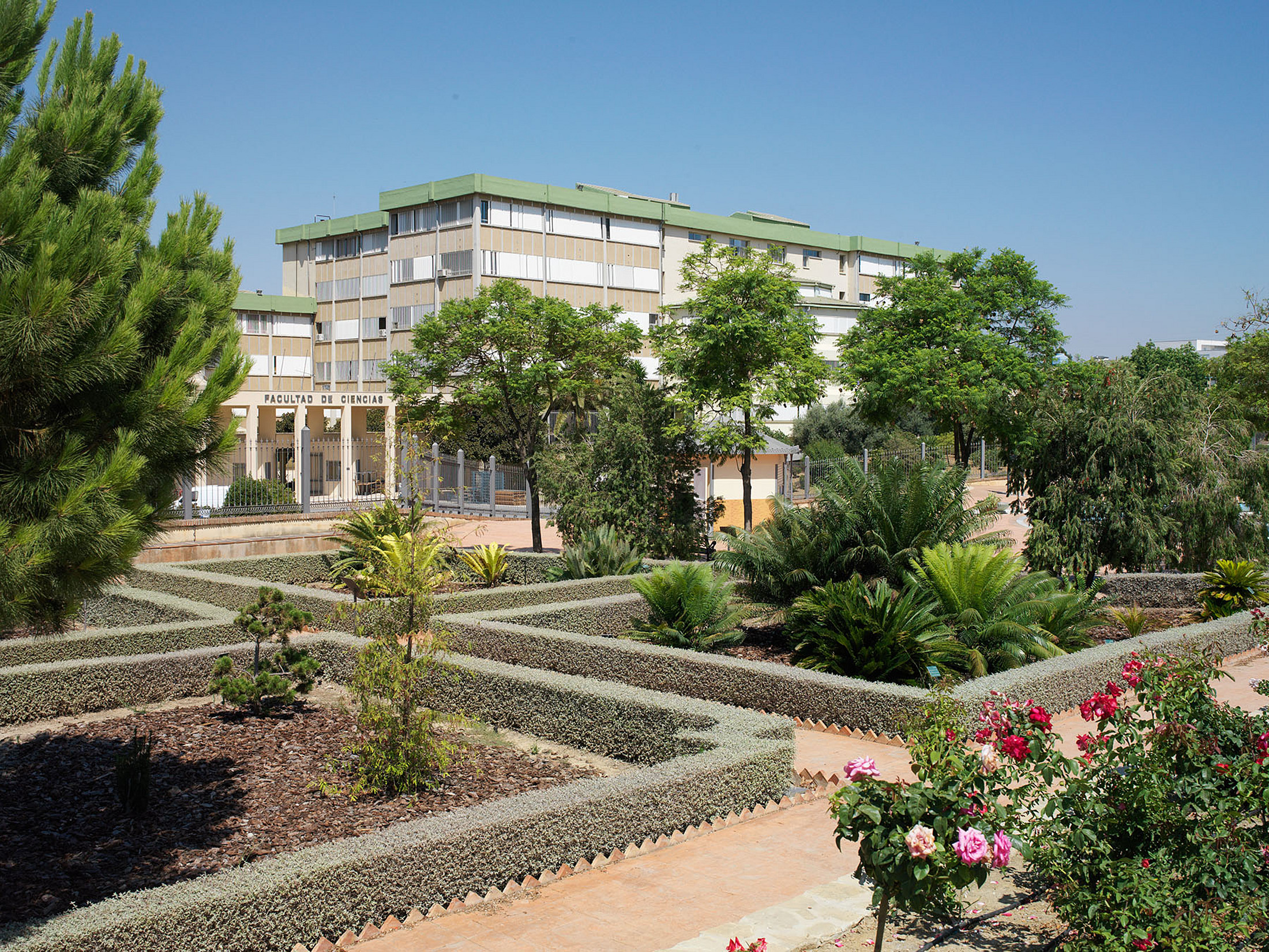
More than 40,000 students are enrolled at Universidad de Málaga (UMA). The sunny southern Spanish city of Málaga is located on the Mediterranean, and with 578,000 residents, it’s the fifth-largest city in Spain.

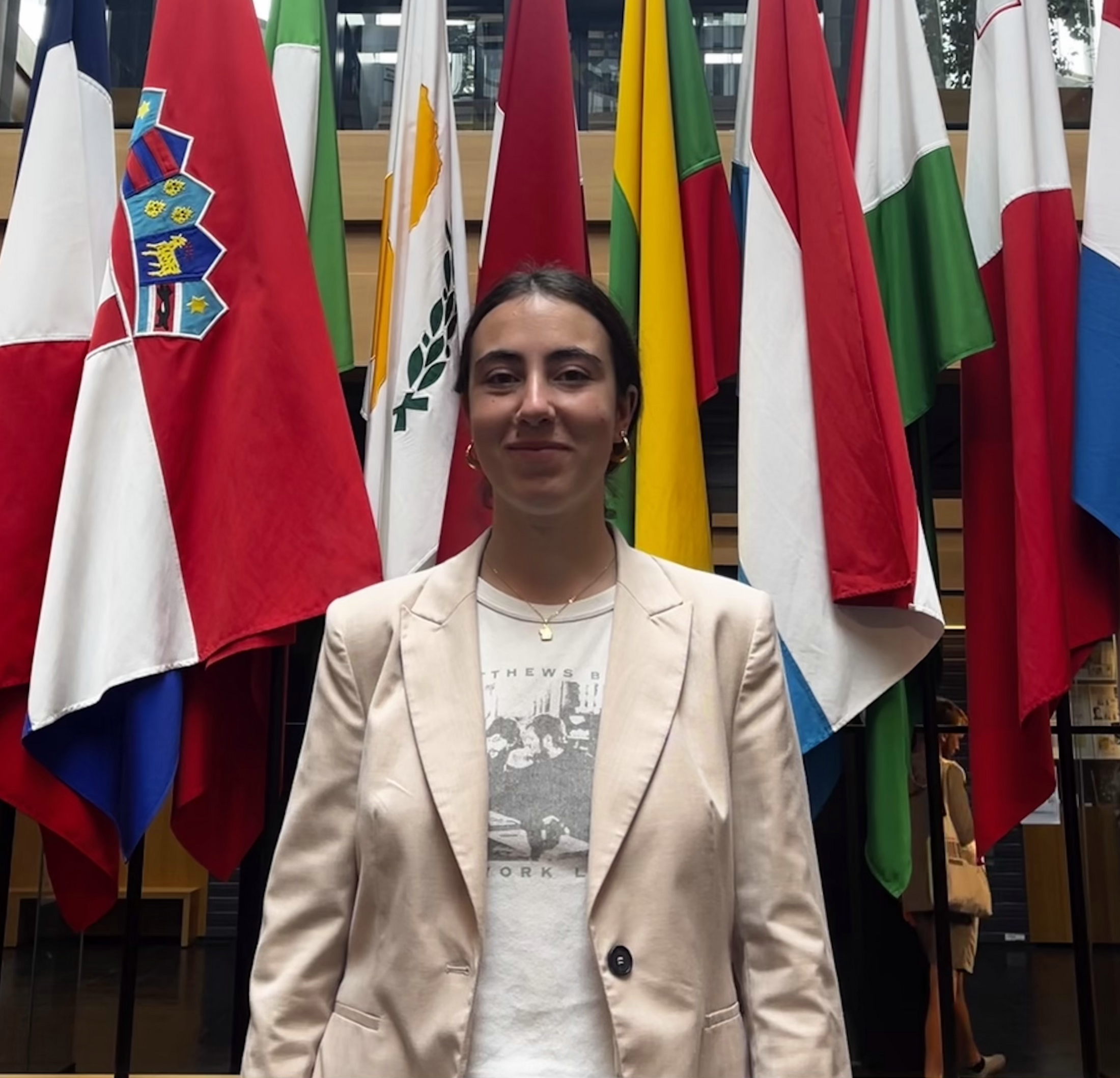
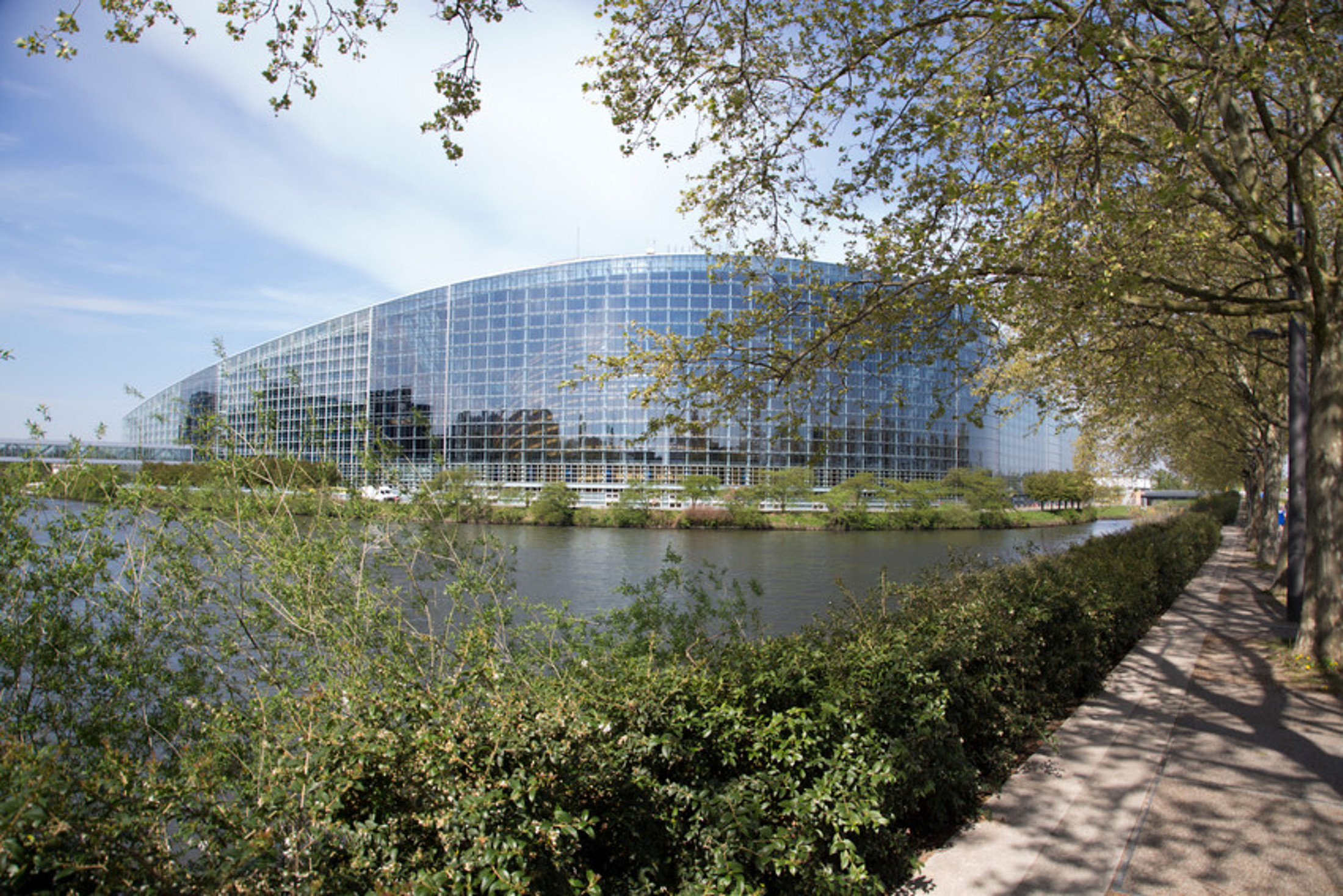
Université de Strasbourg (Unistra) is in France, right on the German border and close to Switzerland and Luxembourg. Over 52,000 students study there, about 20% from abroad. Strasbourg is the largest city in the Grand Est region with 790,000 residents and home to the European Parliament.

DFH was founded in 1997 to strengthen German-French degree programs – focusing on quality, exchange, and financial support. In short: it creates the best conditions for your studies. Thanks to DFH, TES students receive financial support – currently €350 per month for ten months in the second and third years of study, plus support for internships – and can benefit from other DFH offerings. DFH course funding also allows program coordinators to fully focus on making TES the best program it can be.

You can find lots more information about TES on our website – including details for current students.

Accreditation

Overview of all degree programs

Browse degree programs

TES on social media

Partner universities